A flower that never really “just means one thing”
Roses don’t show up empty-handed in human history. They arrive with opinions, emotions, and a bit of drama. That’s probably why they’ve survived every trend shift in gifting culture without losing their grip. At The Flowers Love, roses aren’t treated like simple decoration—they’re more like emotional shorthand. You hand someone a rose, and suddenly you’ve said things you might struggle to say out loud.
The thing is, roses don’t speak in one language. They shift meaning depending on color, number, and context. A red rose on a date hits differently than a yellow one at a birthday party. Same flower, totally different story.
And yes, people still overthink it. Rightfully so.
A quick trip through rose history (no dusty lecture, promise)
Roses have been around longer than most civilizations that still get name-dropped in documentaries. Ancient Greeks tied them to Aphrodite, the goddess of love. Romans used them in celebrations that probably got a bit too loud. Later, poets couldn’t stop writing about them. Not because they were trying to be poetic, but because roses kind of force you into it.
Back then, roses weren’t just flowers—they were signals. Status, romance, secrecy. There was even a phrase, “sub rosa,” meaning something said in secret. Imagine a flower being trusted with gossip. Wild.
Fast forward to now, and not much has changed. We still use roses to say what text messages sometimes can’t carry properly.
Red roses: the loudest “I care” you’ll ever send
Let’s start with the obvious one.
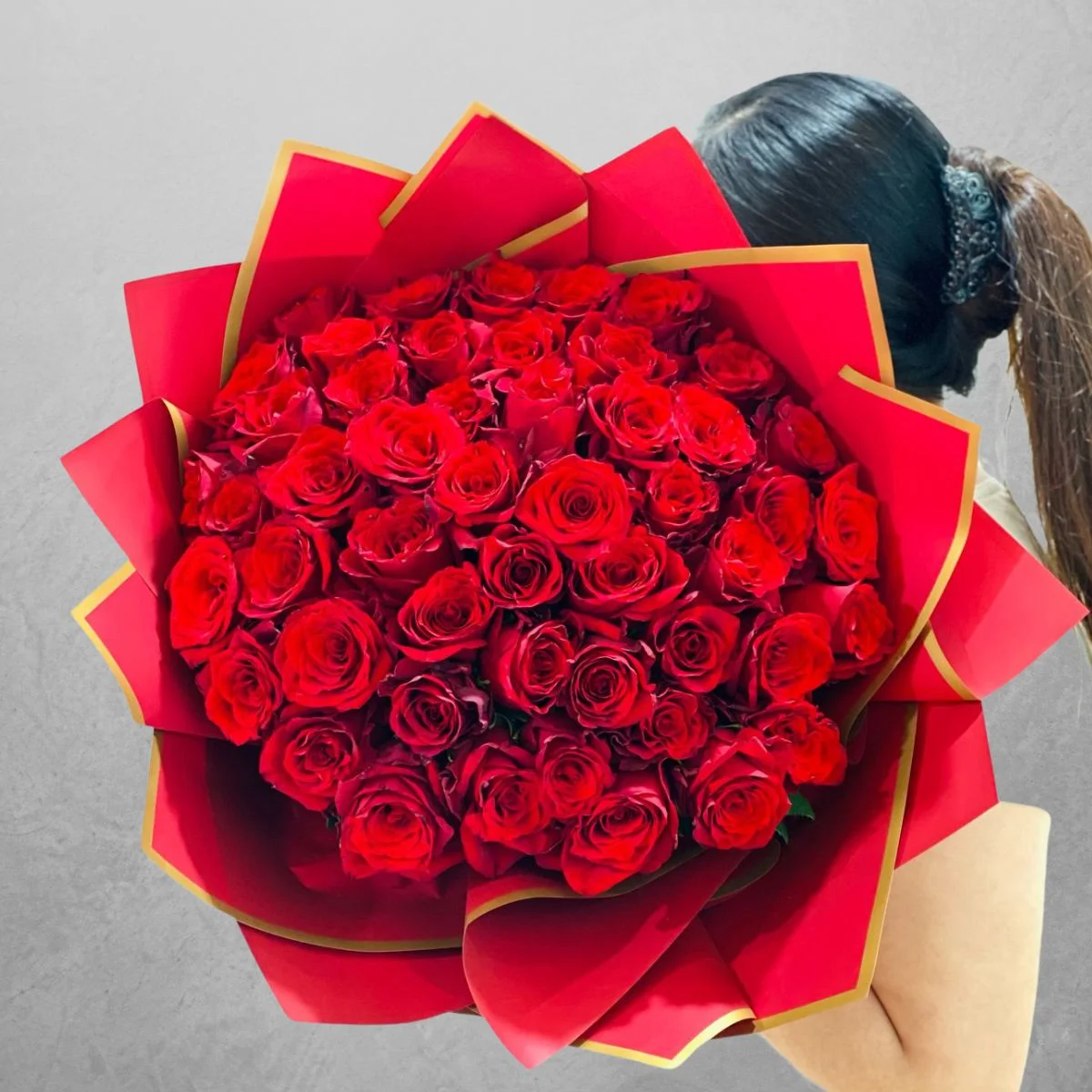
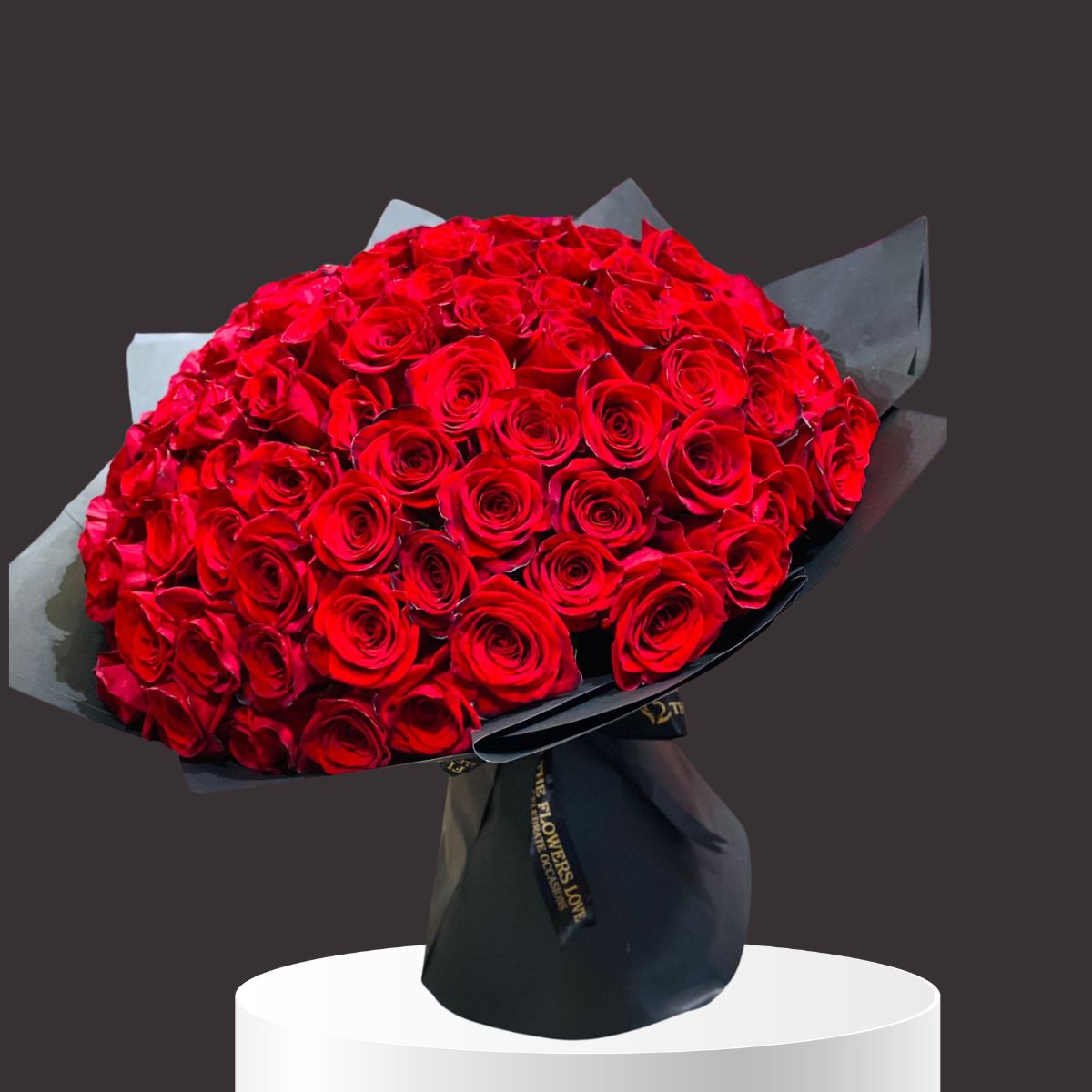
Red Roses don’t whisper. They declare.
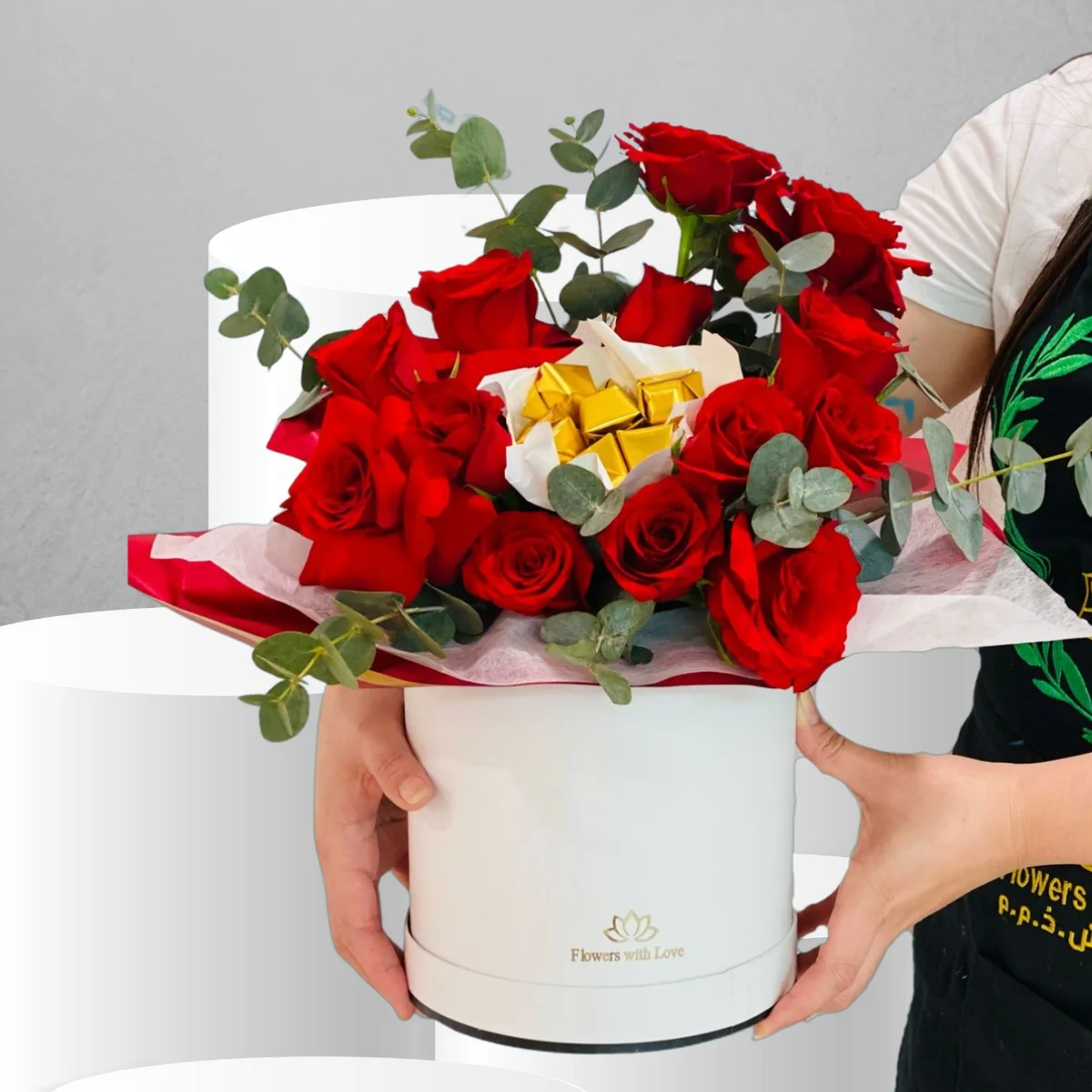
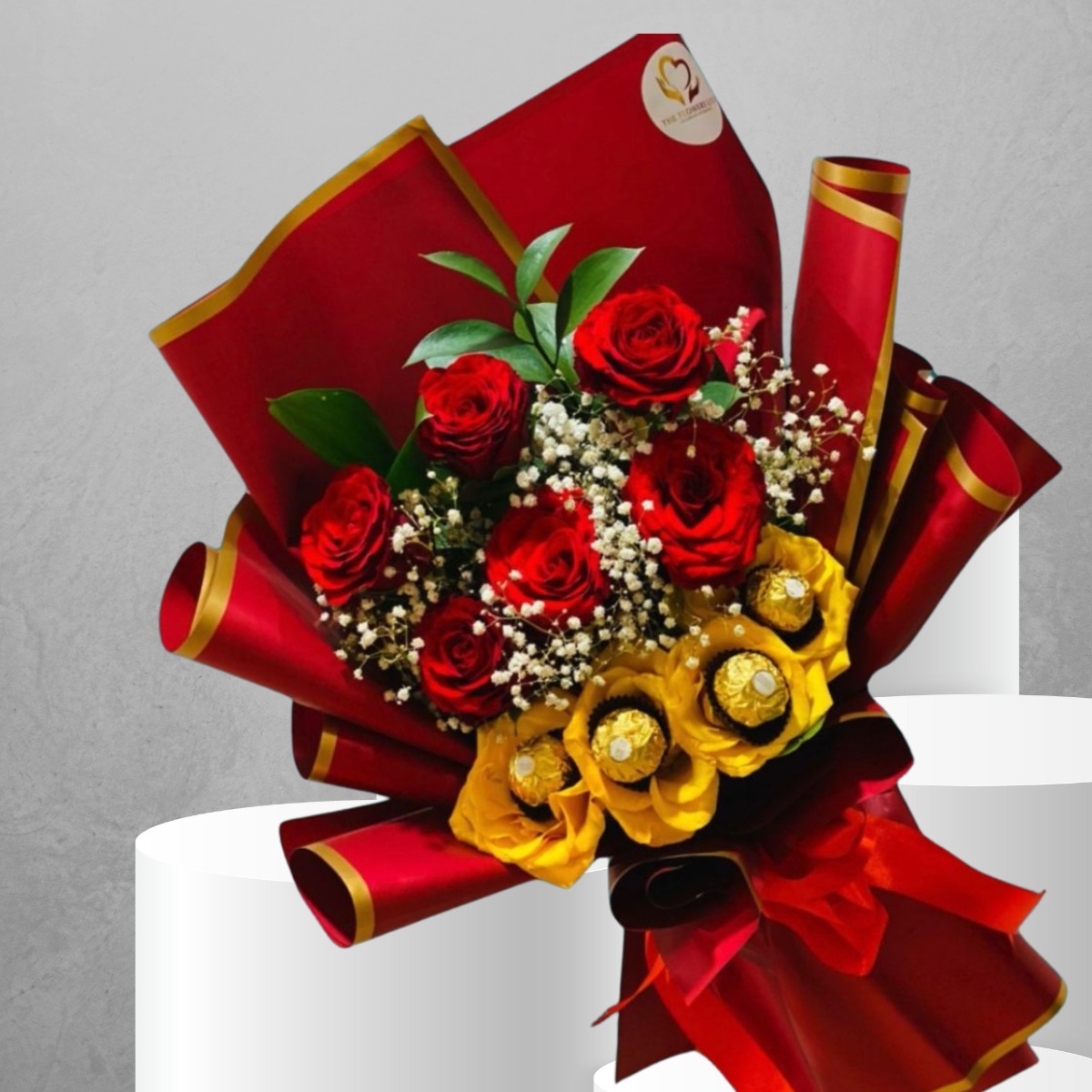
They’re tied to romance, deep affection, and emotional intensity. If gifting had volume levels, red roses would be maxed out. People usually go for them when words feel too small or too risky.
But here’s the kicker: red roses aren’t just about new love. They also show commitment, respect, and long-term emotional grounding. They’re less “crush energy” and more “I choose you, even on ordinary Tuesdays.”
At The Flowers Love, red roses are often picked for anniversaries and proposals, but honestly? They work anytime someone wants to be unapologetically clear.
No ambiguity. No decoding needed.
White roses: quiet, clean, and slightly spiritual
White roses feel like silence in a room that needed it.
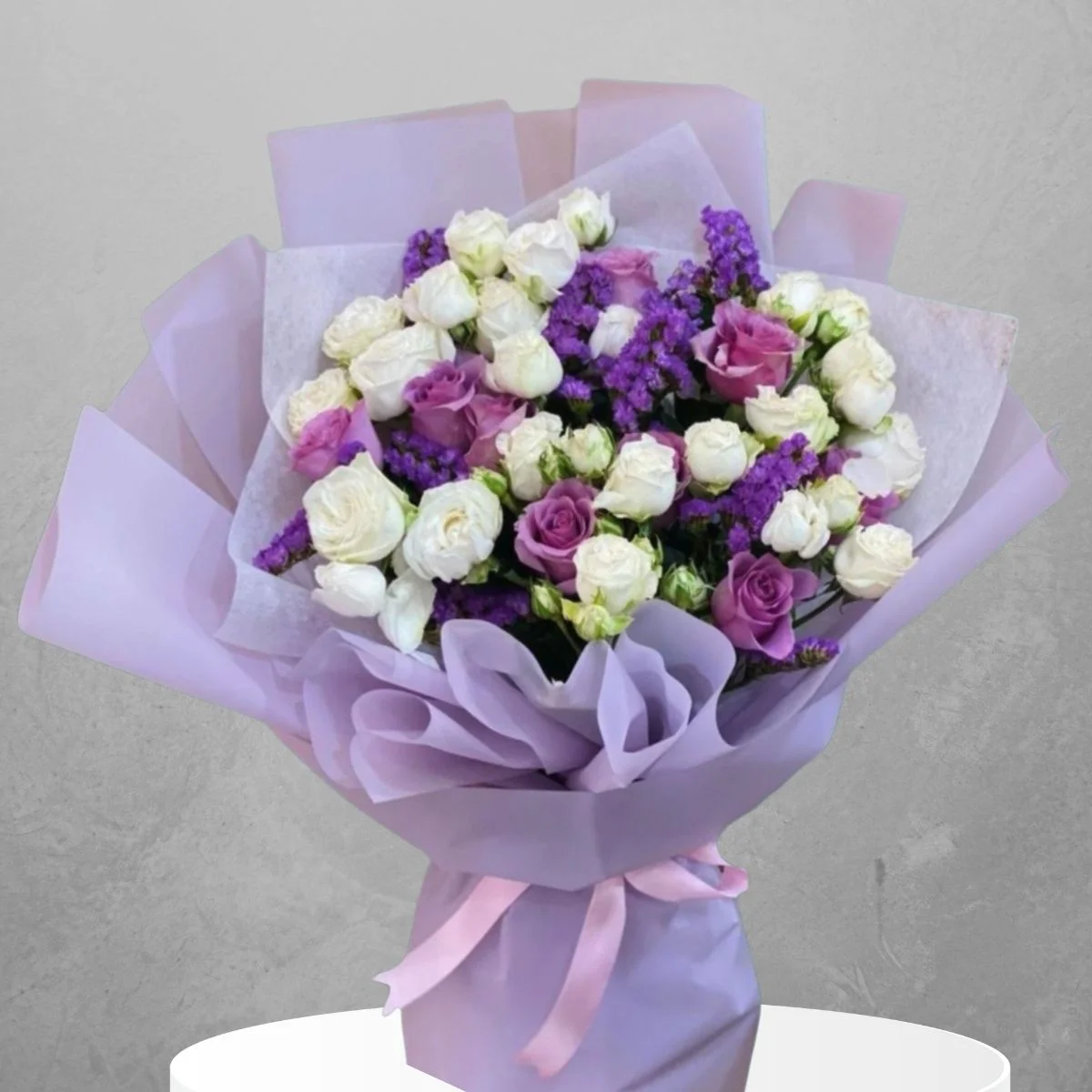
They symbolize purity, peace, and fresh beginnings. That’s why you see them at weddings, but also at farewells. They sit in both joy and grief without changing character. Not many flowers can pull that off.
They’re not trying to impress anyone. That’s their strength.
A white rose says: “This moment matters, and I’m keeping it simple.”
Sometimes simple hits harder than anything else.
Yellow roses: friendship with sunlight energy
Now we move into brighter territory.
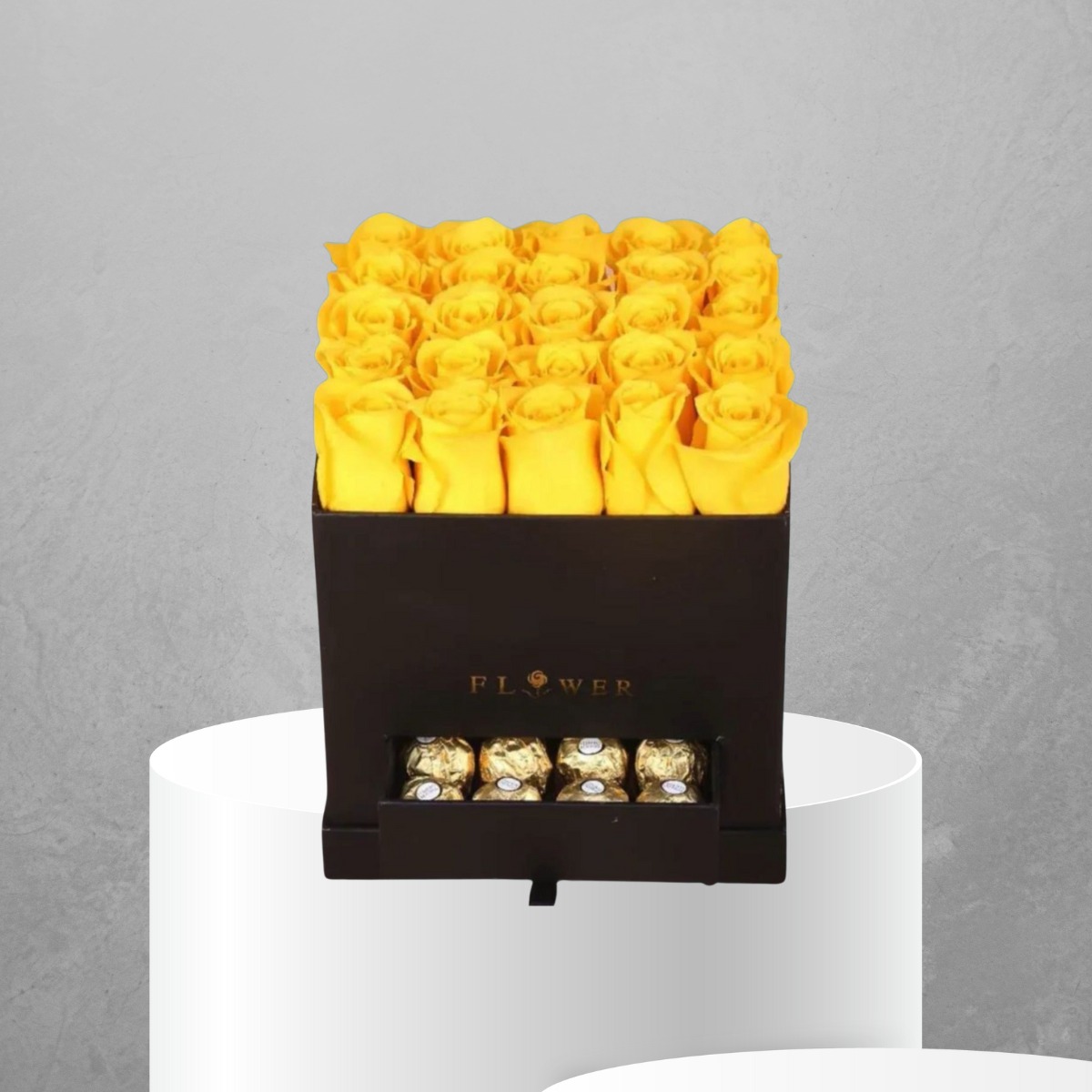
Yellow roses are the extroverts of the rose family. They’re warm, playful, and very “let’s not make this awkward.” They represent friendship, joy, and shared laughter. Think inside jokes, casual support, and that one friend who always shows up with snacks.
They used to have a slightly complicated reputation in older floral symbolism (some traditions linked them with jealousy), but modern gifting culture has basically reclaimed them as pure happiness.
Honestly, good call. Yellow roses don’t belong in drama. They belong in group chats and birthday cakes.
Pink roses: soft feelings that still mean business
Pink roses are where things get interesting.
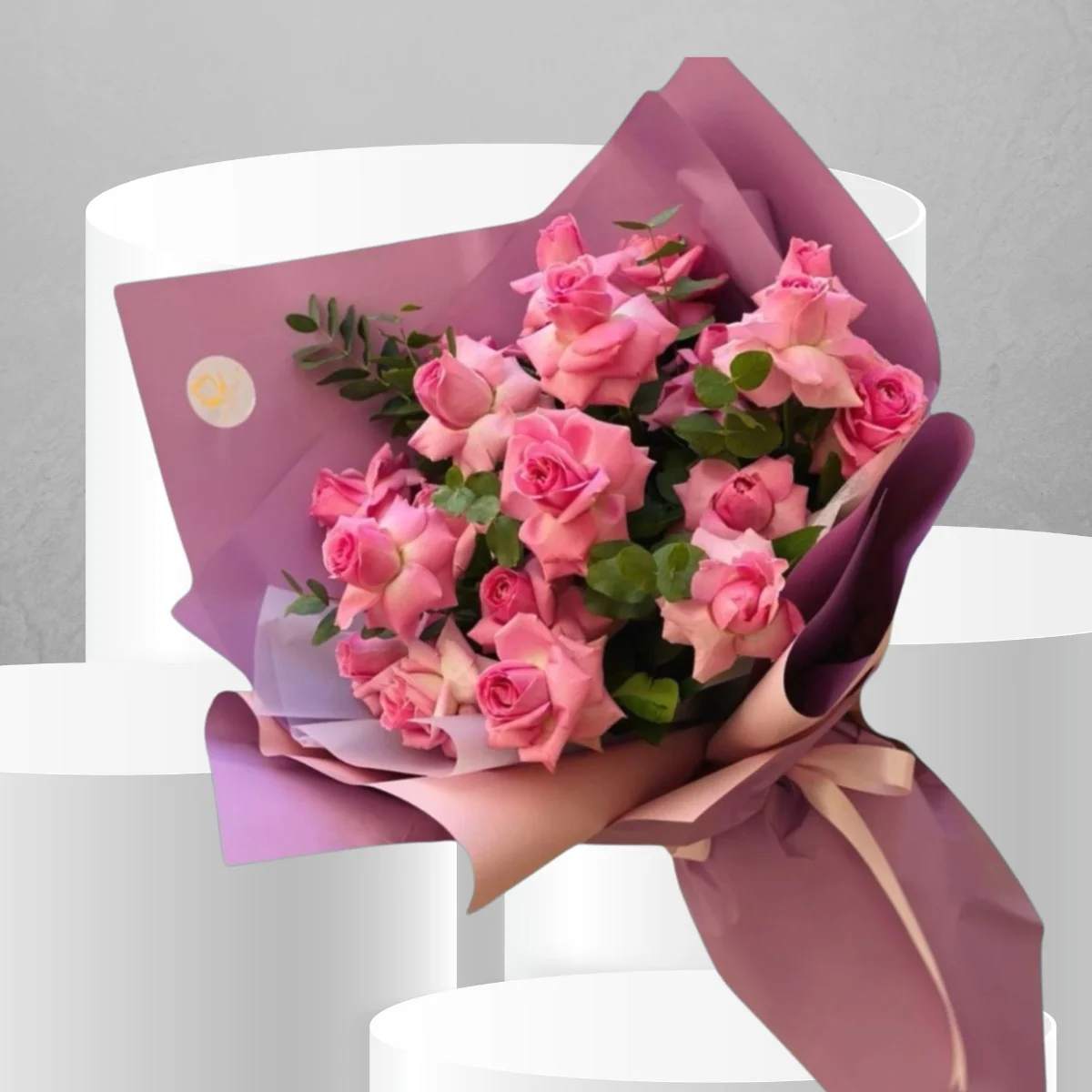
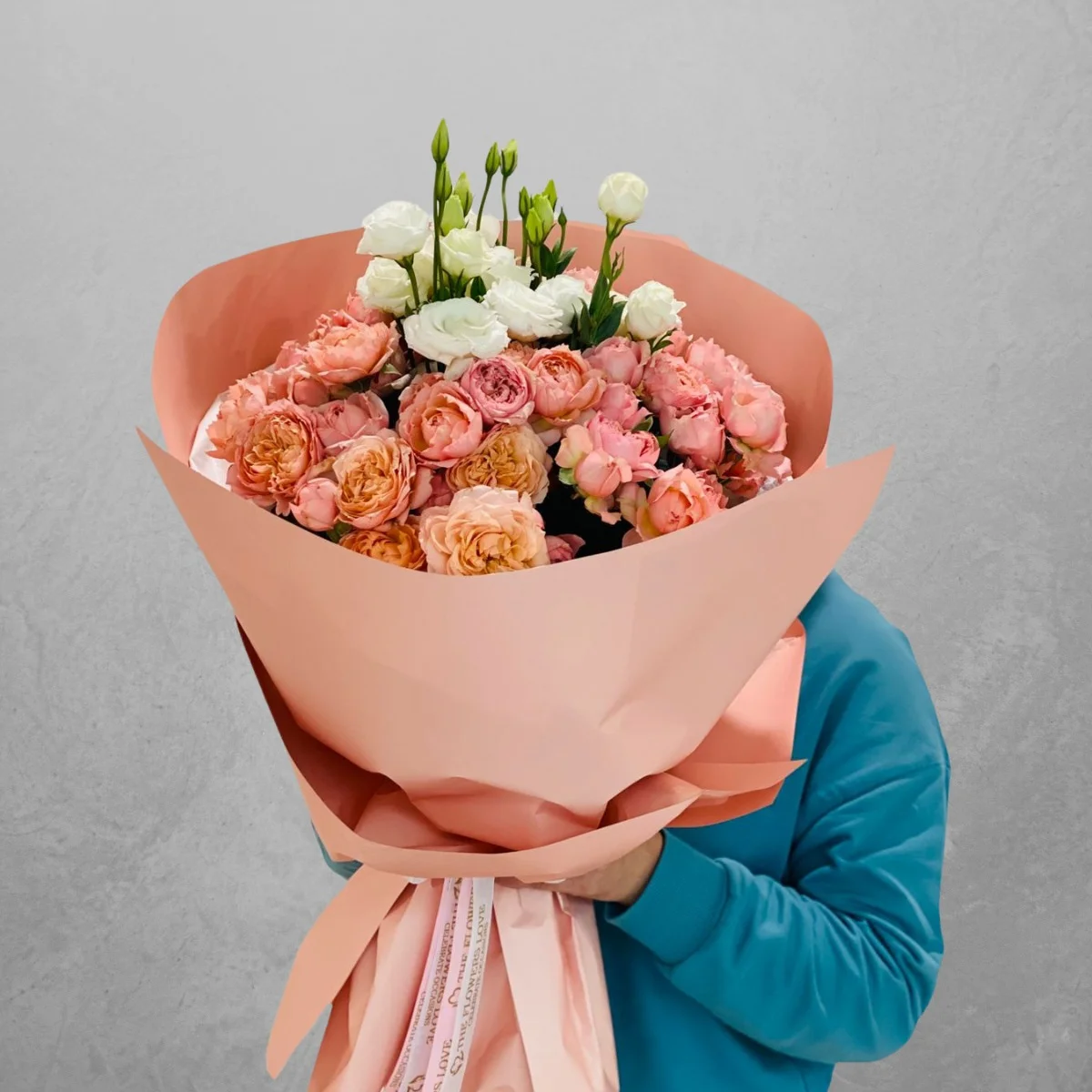
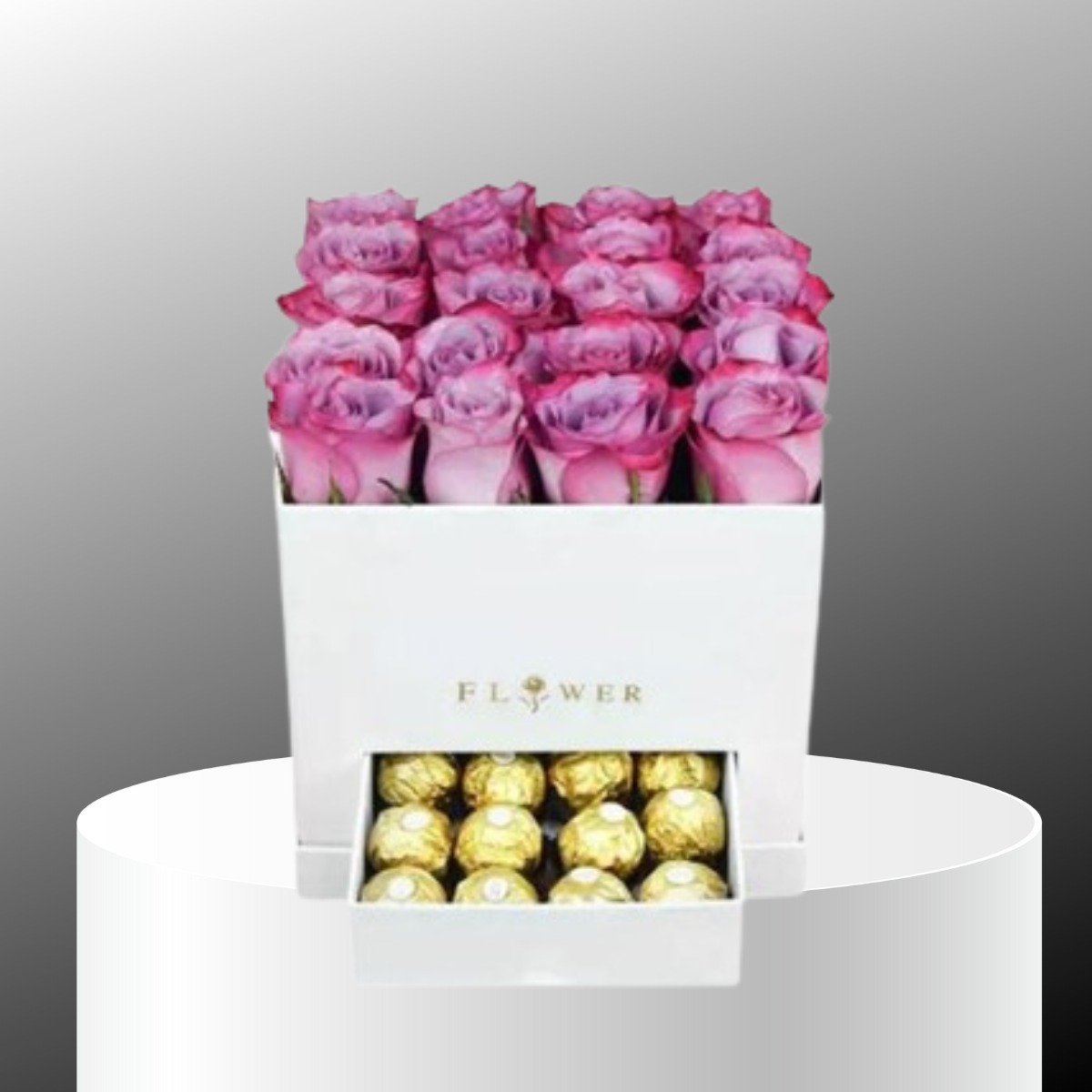
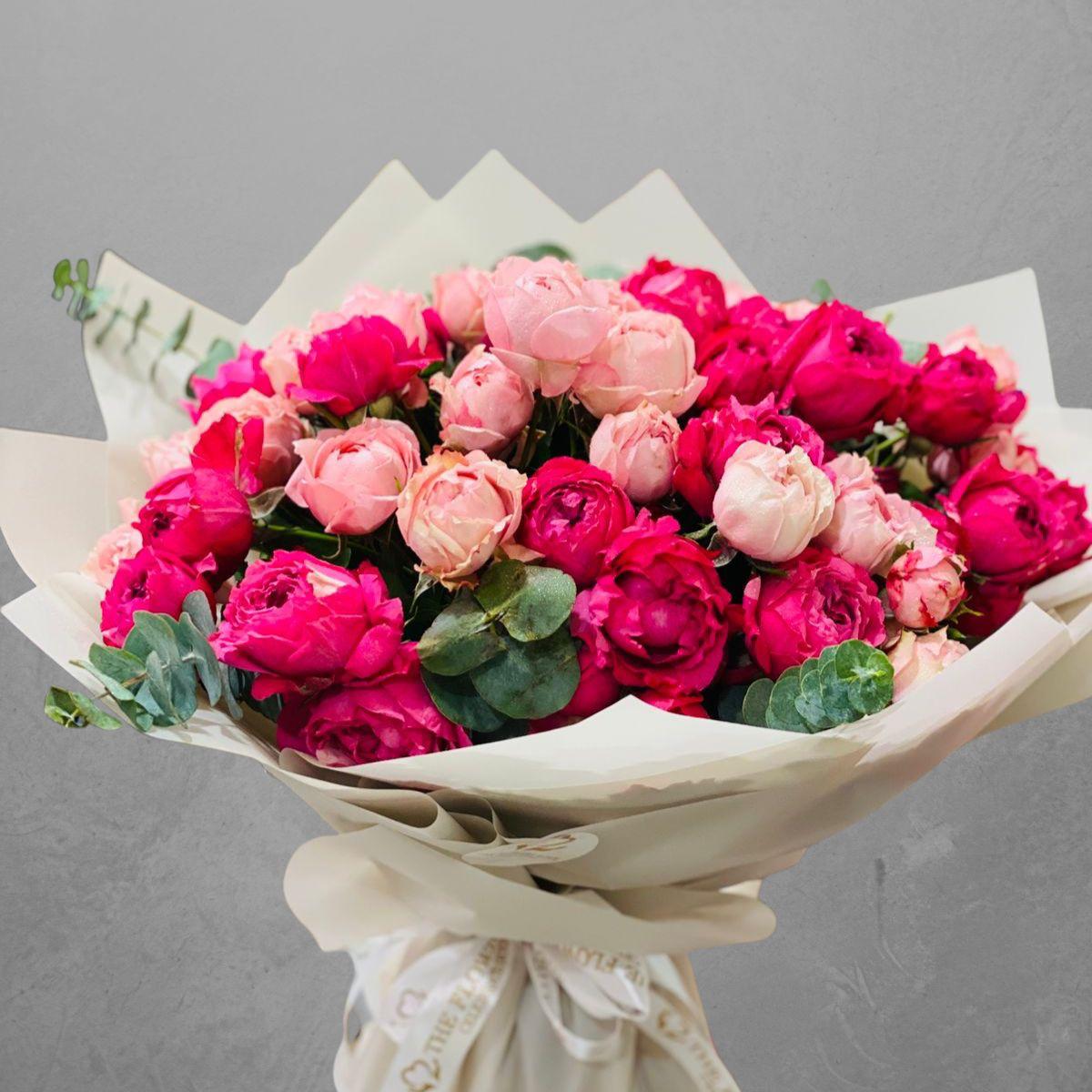
They sit in that emotional middle ground—less intense than red, more personal than yellow. Light pink usually leans toward admiration and sweetness. Deeper pink starts to feel like gratitude with depth.
They’re often chosen when someone wants to say, “I notice you,” without turning the whole situation into a movie scene.
At The Flowers Love, pink roses are often picked for appreciation gifts. Teachers, mentors, people who quietly hold things together—pink roses suit them.
They’re polite, but not passive.
There’s a difference.
Orange roses: confidence in floral form
Orange roses don’t ask for attention. They already have it.
They represent enthusiasm, attraction, and energy that feels slightly unfiltered. Not chaotic, just bold. If red roses are about deep love, orange roses are about spark and momentum.
They’re often gifted when something is just starting to feel exciting—new relationships, new achievements, or moments that feel like they’re turning a corner.
Think of them as “this is going somewhere” energy.
No subtlety required.
The psychology behind gifting roses (why it actually works)
Here’s where things get a bit more human than floral.
Gifting roses isn’t just tradition. It’s emotional packaging. Humans process symbols faster than sentences. A rose bypasses explanation and lands straight in feeling territory.
When someone receives roses, a few things happen almost instantly:
- They assign meaning (love, care, respect)
- They connect it to memory or expectation
- They feel seen without needing a conversation
That’s powerful. Almost unfairly so.
It’s why people still choose roses even when there are hundreds of modern gift options. A candle or gadget might be useful. A rose is emotional. And people don’t forget emotional signals easily.
Cultural differences: roses don’t mean the same everywhere
Not every culture reads roses the same way.
In many Western contexts, red roses equal romance. In parts of Asia and the Middle East, meanings can shift depending on color combinations, number of stems, and even delivery context. White roses might lean more toward mourning in some traditions, while in others they’re purely symbolic of peace.
So yes, roses travel well—but they don’t always speak identically across borders.
That’s why thoughtful gifting matters more than just picking “what looks nice.” A rose is never just a rose when culture enters the chat.
Choosing the right rose (without overthinking it too much)
People overcomplicate this part. Let’s not.
If you’re stuck, ask yourself one simple question: what am I actually trying to say?
- Love that’s serious? Red.
- Friendship or joy? Yellow.
- Respect or gratitude? Pink.
- Fresh start or calm energy? White.
- Excitement or attraction? Orange.
That’s it. No spreadsheets needed.
The Flowers Love often sees customers spend more time debating ribbon colors than actual meaning. Funny, but also understandable. When emotions are involved, people tend to over-edit.
Don’t.
Mistakes people make with rose gifting (and yes, they matter)
A few common missteps show up again and again:
First, ignoring context. A red rose in the wrong setting can feel too intense. A yellow rose in a romantic situation can feel… like a polite exit strategy.
Second, quantity confusion. One rose feels intentional. A dozen feels classic romance. A random uneven bunch? Sometimes just looks like panic buying.
Third, skipping the note. Roses carry meaning, but a short message anchors it. Without it, people sometimes guess wrong. And guessing is risky territory in emotions.
Why roses still win in a world full of options
We live in a time where you can send gifts instantly, digitally, and even algorithmically matched to someone’s interests. Yet roses still hold their ground.
Why?
Because they’re physical emotion. You can’t scroll past them. You can’t mute them. They sit there, real and present, doing their job quietly but effectively.
At The Flowers Love, roses aren’t treated as outdated tradition. They’re treated like a language that refuses to fade out, no matter how fast everything else moves.
And maybe that’s the point.
Some things don’t need upgrading. They just need the right moment.
A final thought that doesn’t try too hard to be poetic
Roses don’t fix anything. They don’t solve awkwardness or replace conversation. But they do something simpler and arguably more useful—they make feelings visible.
And in a world where people often under-say what they mean, that counts for a lot.
So whether it’s love, friendship, respect, or a quiet “I’m thinking of you,” a rose usually knows how to carry it better than we do.