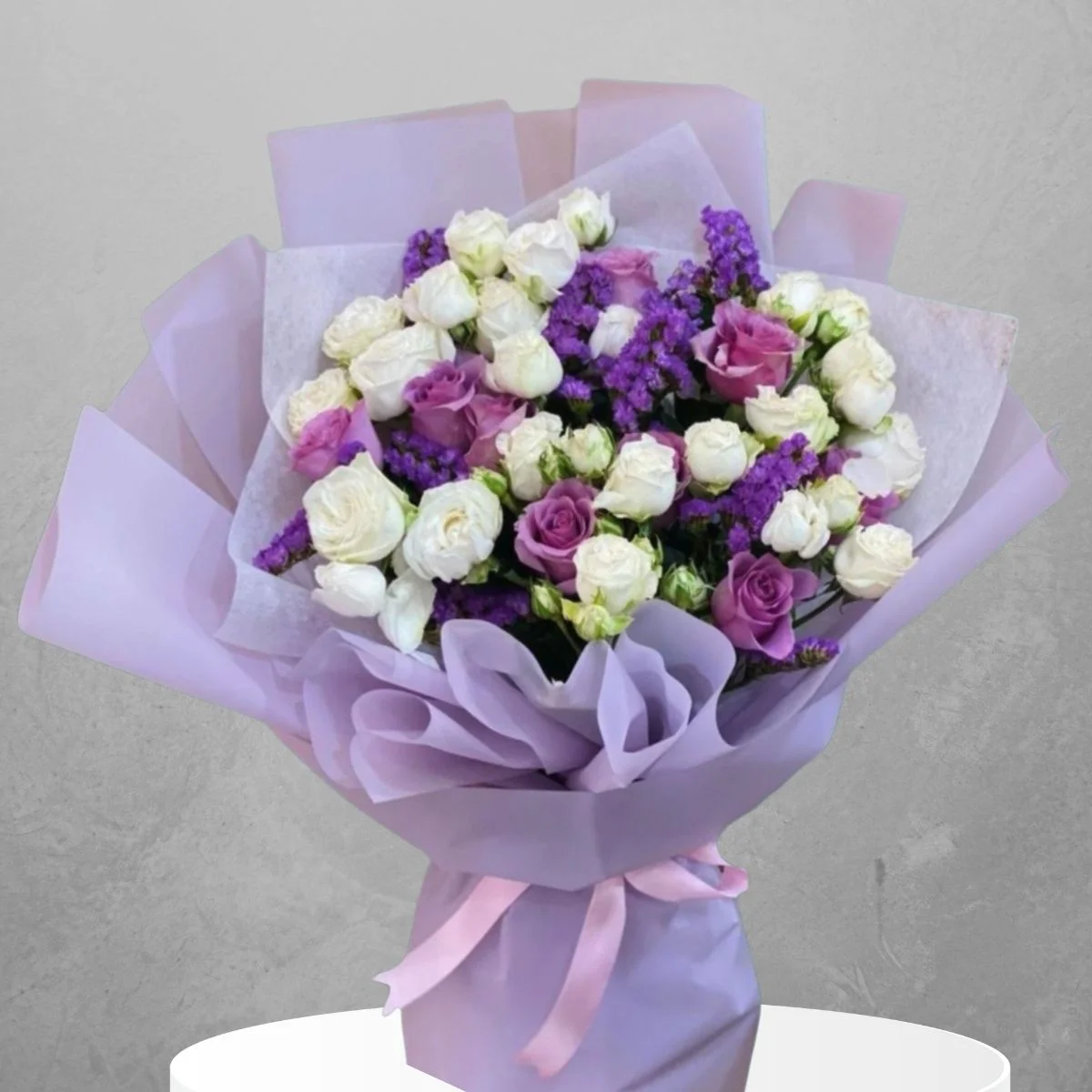
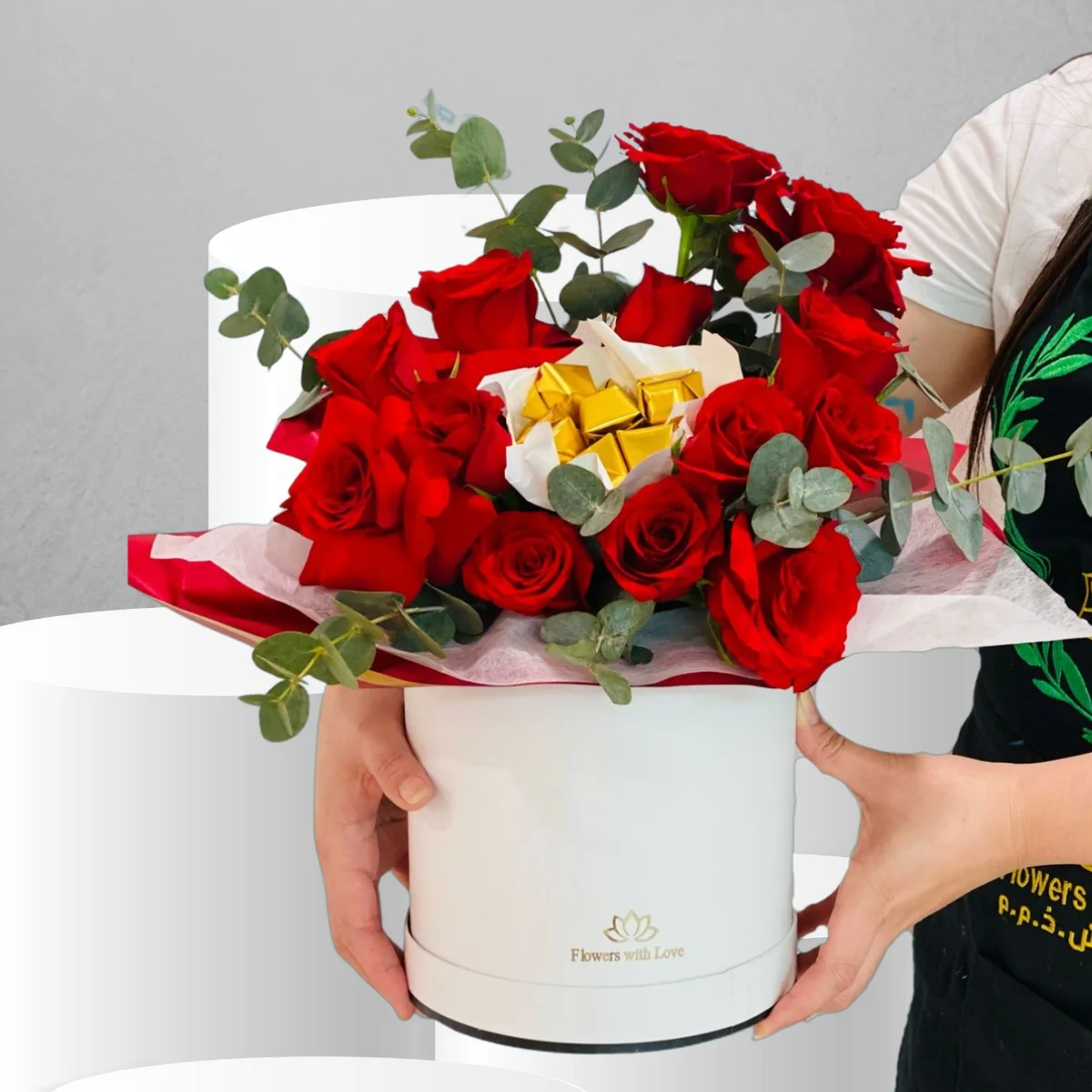
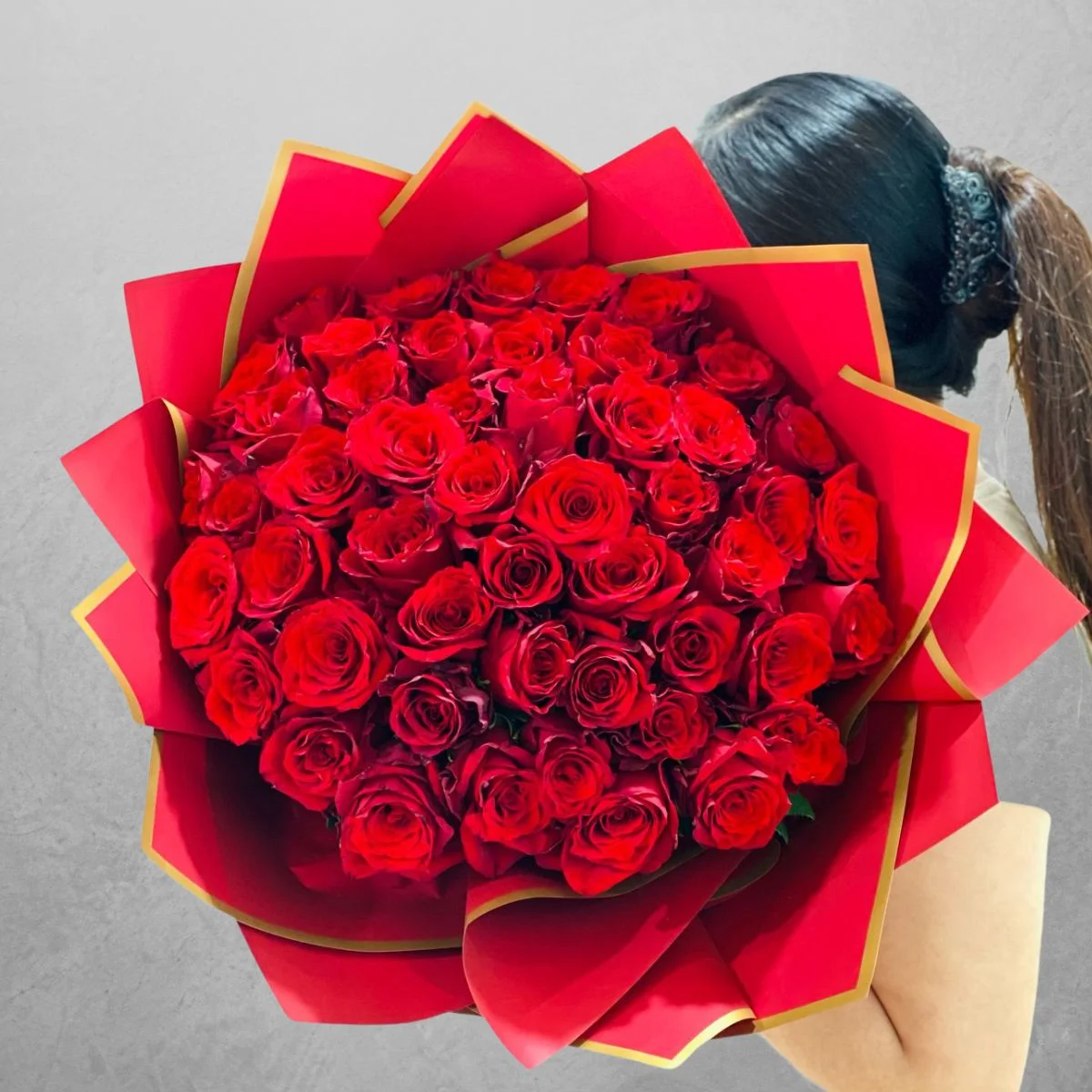
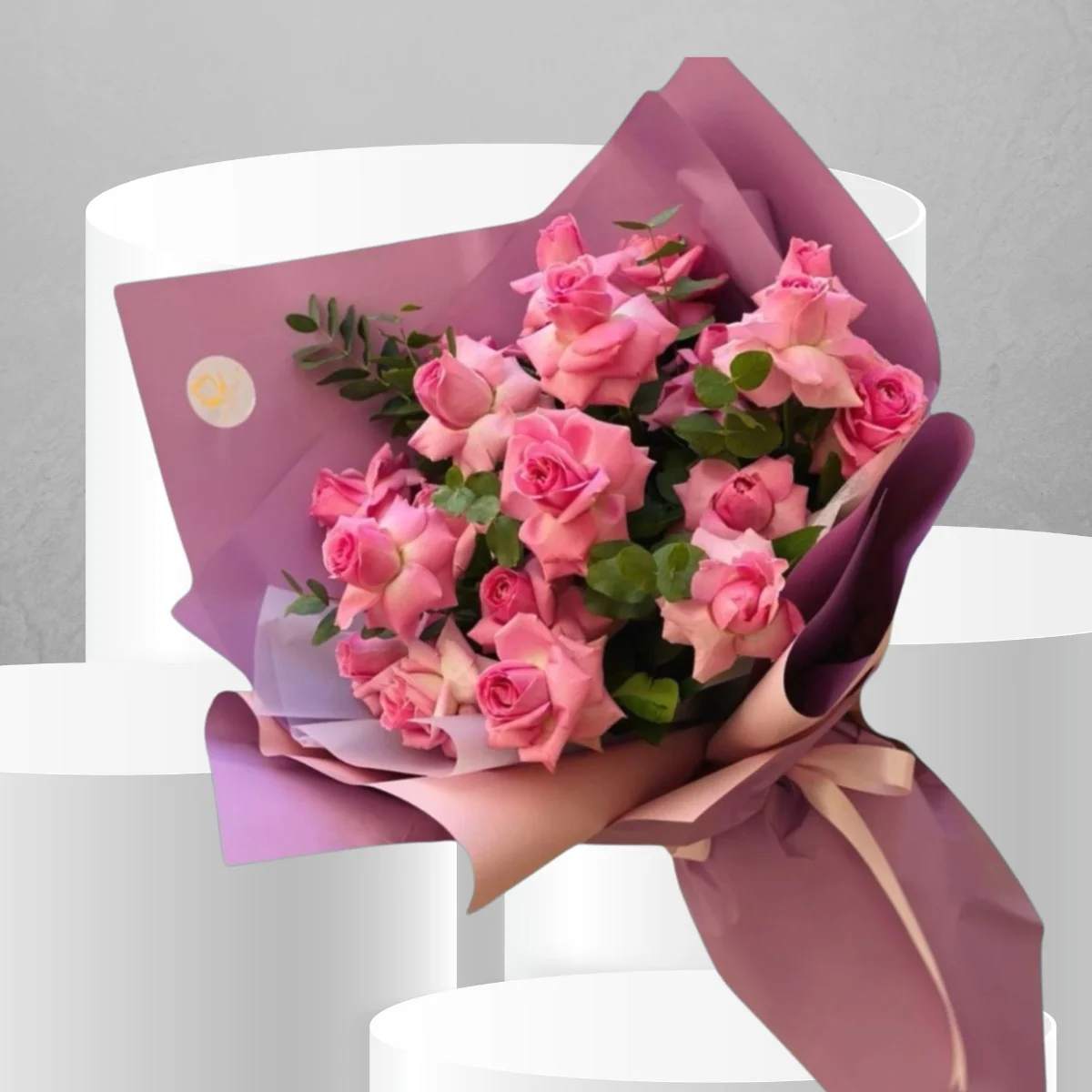
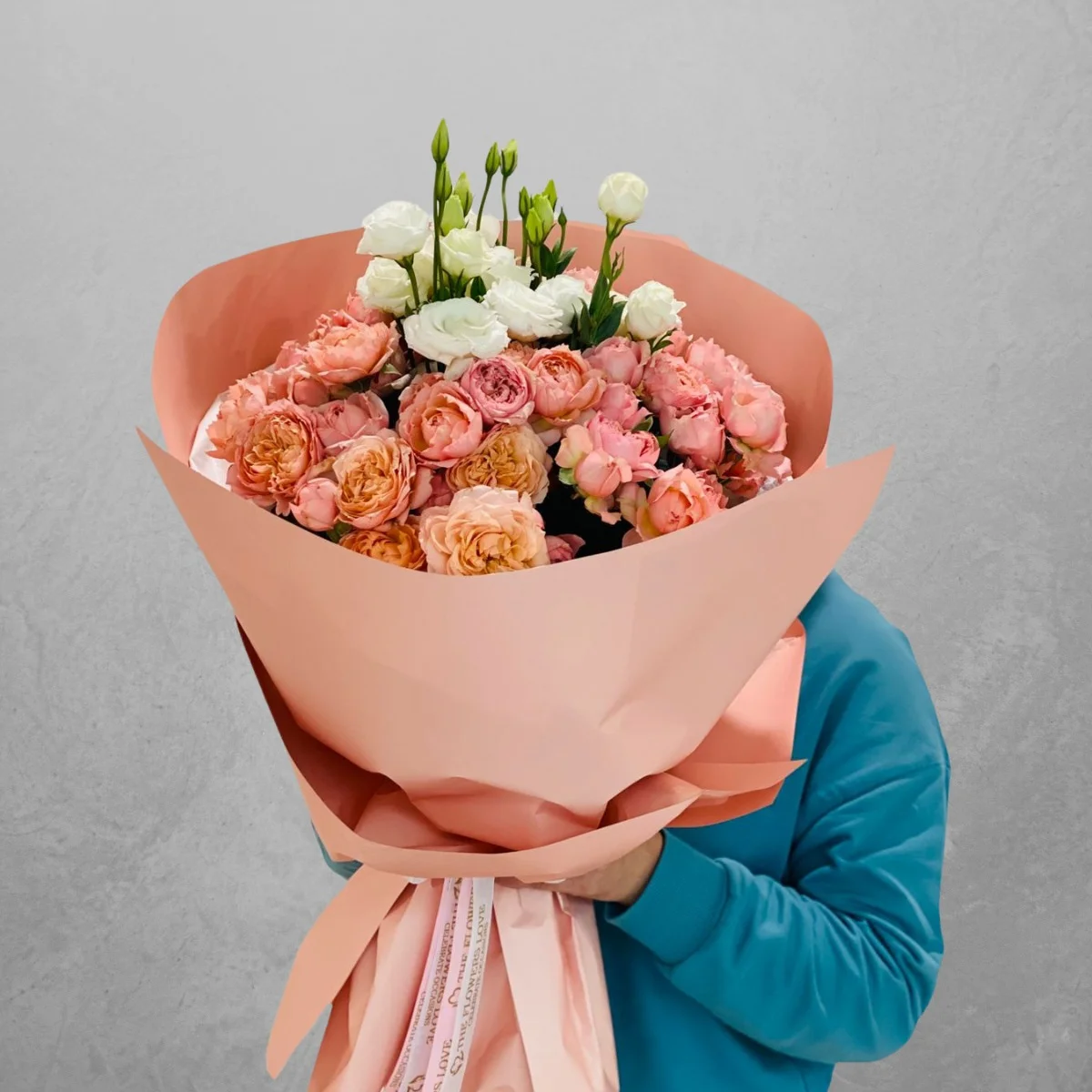
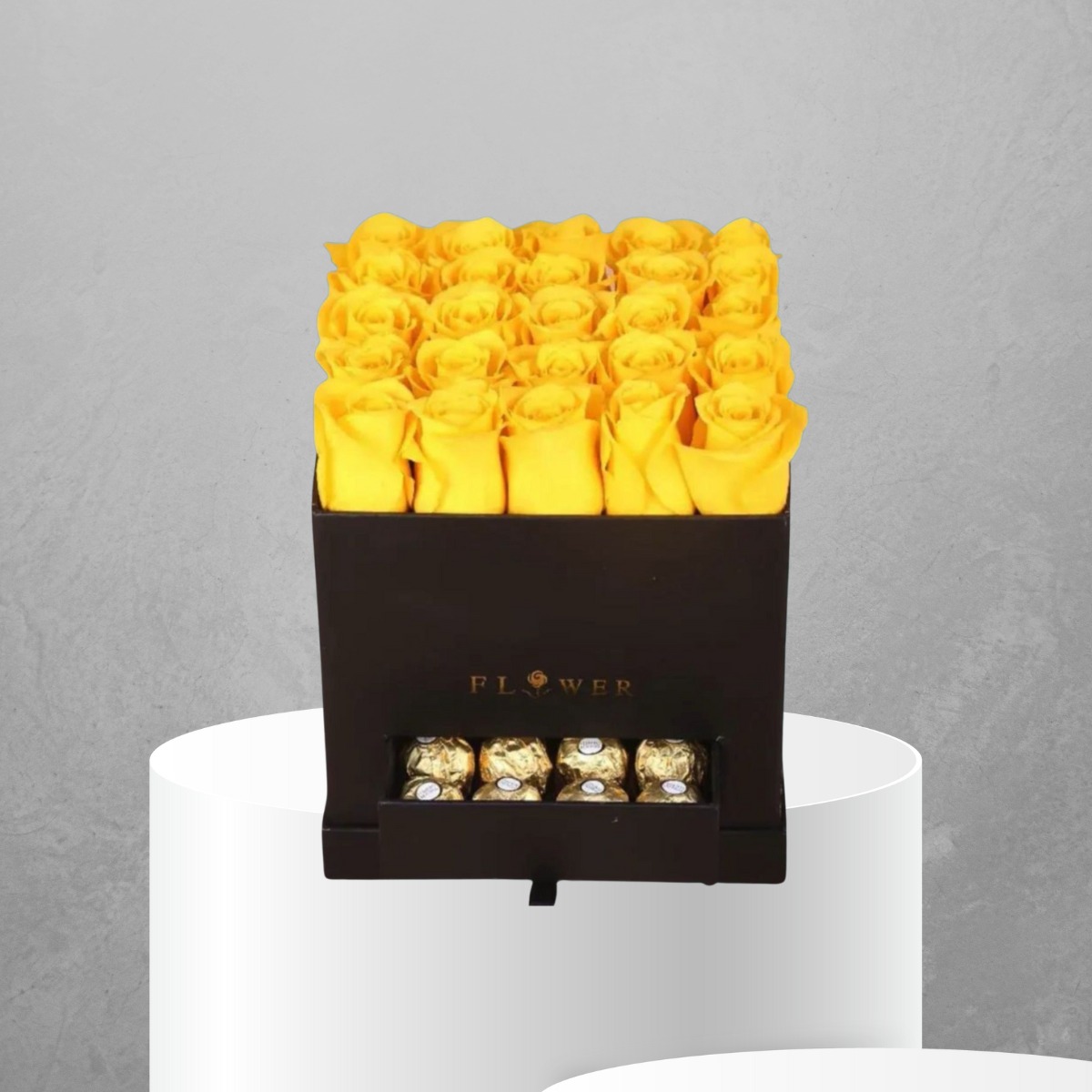
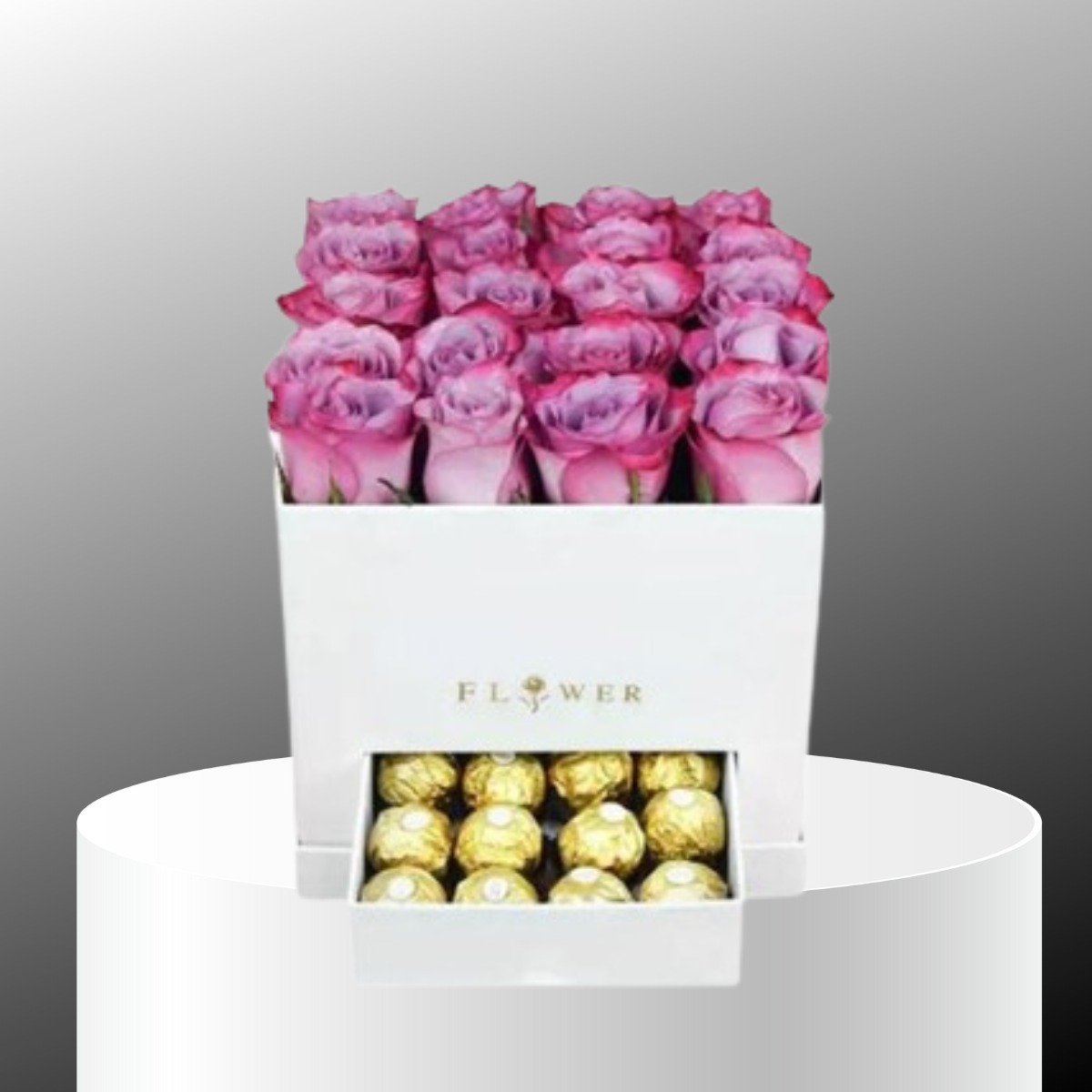
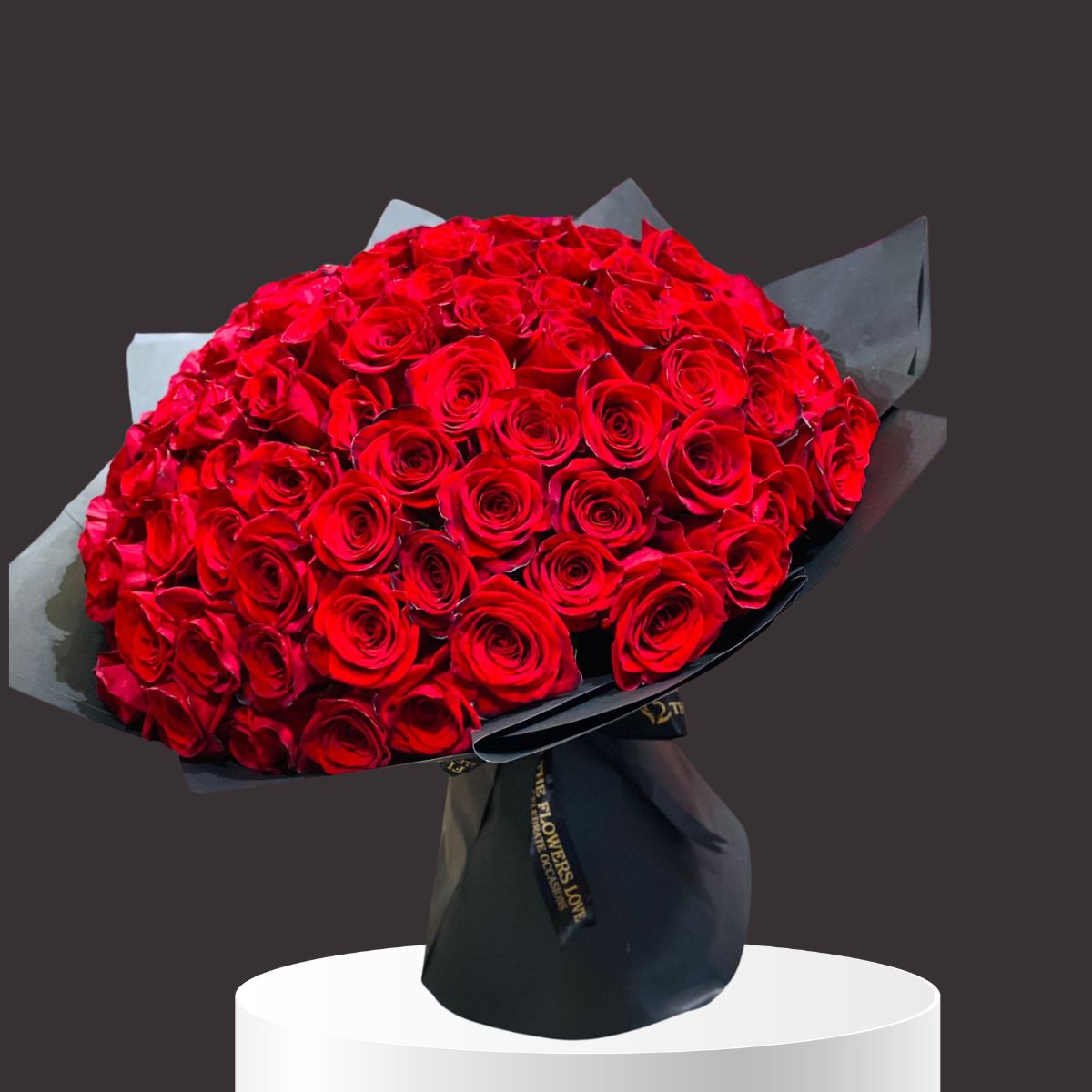
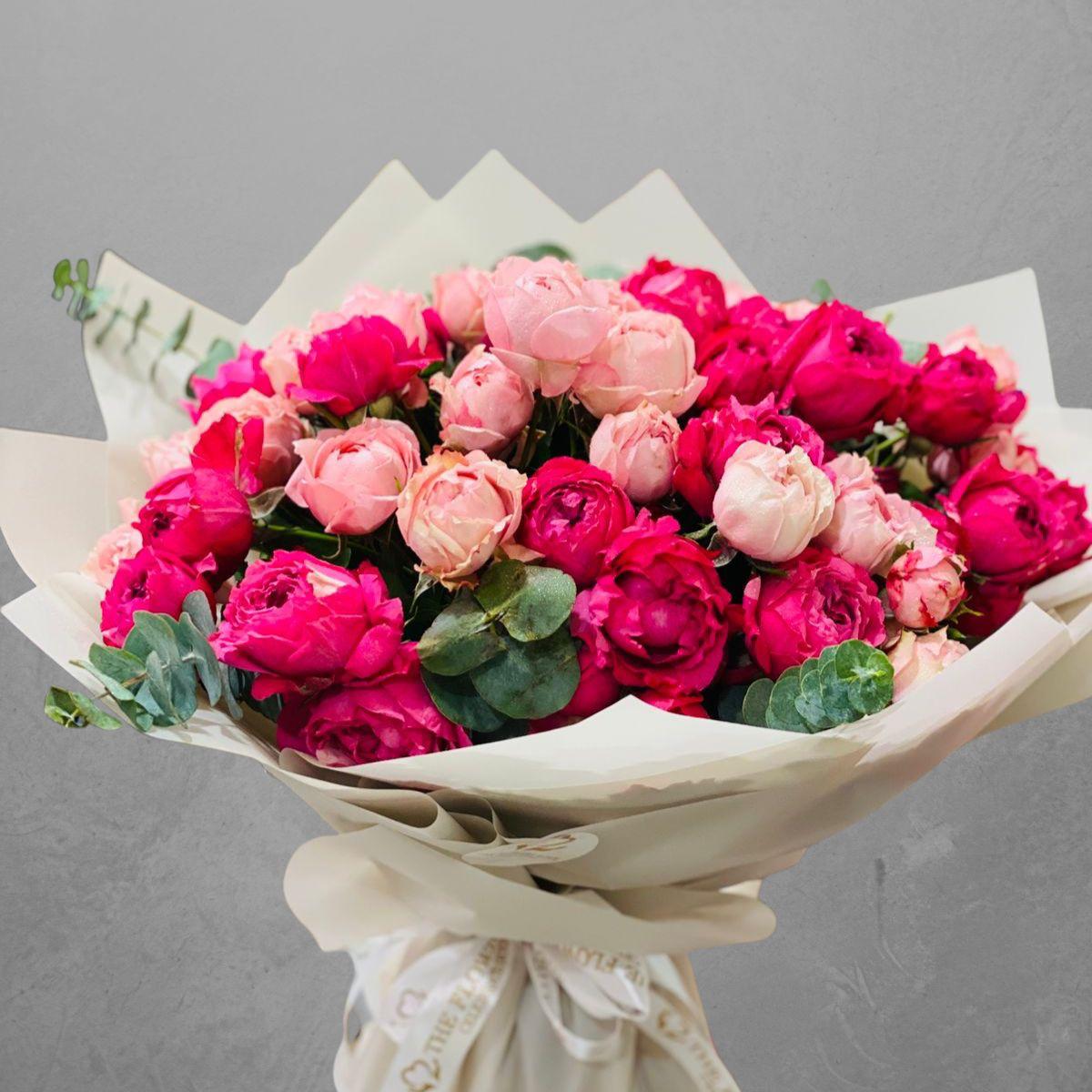
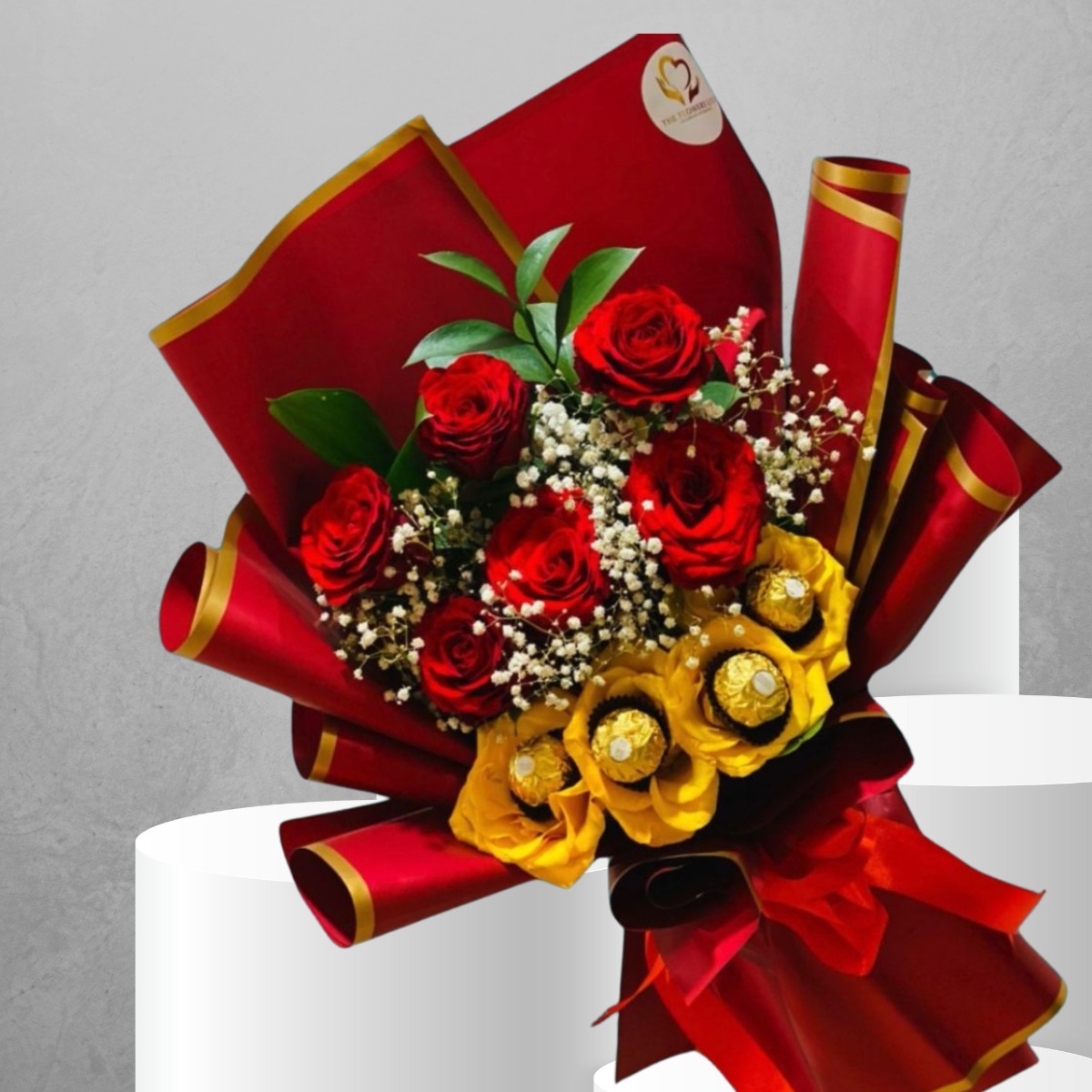
Spent years around flower markets—the kind where the air smells half like Roses, half like diesel fumes from trucks that just rolled in at 5 a.m.—and if you’d told me back then that people would start asking about carbon footprints before buying a bouquet, I would’ve laughed and gone back to haggling over wilted stems.
Times change.
The Day People Started Asking Questions
It used to be simple. Someone needed flowers, they picked the reddest roses, maybe added a ribbon, paid, and walked out feeling like a decent human being.
No questions asked.
Now? You can’t get through a single order without someone squinting at you like a detective. Where were these grown? Are they sprayed with chemicals? Is this wrapping plastic or something that won’t outlive us all?
And honestly, I get it.
Services offering Flowers Delivery in Dubai are feeling that shift harder than most because customers there don’t just want fast—they want clean, ethical, and preferably wrapped in something that doesn’t feel like it came straight out of a landfill.
What Sustainable Floristry Really Looks Like (Not the Instagram Version)
People hear “sustainable” and imagine some soft-lit studio with wildflowers tossed into a mason jar.
That’s not reality.
Reality is dirt under fingernails, last-minute substitutions because a crop didn’t survive the heat, and florists arguing over whether chicken wire can actually hold that heavy arrangement without collapsing mid-event.
It’s messy.
But the basics are straightforward:
- Flowers grown closer to where they’re sold
- Seasonal choices instead of forcing tulips to exist in 40°C heat
- Packaging that doesn’t crinkle like guilt in your hands
- No floral foam—the stuff breaks down into microplastics, which is about as pleasant as it sounds
And the funny part? These arrangements often look better. Less stiff. Less “catalogue perfect.” More alive.
The Industry’s Dirty Little Habit
I’ve stood in cold storage rooms packed wall-to-wall with imported flowers, each box stamped with a different country, each stem looking like it just stepped off a long-haul flight—because it did.
Thousands of miles.
Refrigerated trucks. Cargo holds. Plastic sleeves stacked like layers of regret.
And then we’d sell them as symbols of freshness.
That contradiction? Hard to ignore once you’ve seen it up close.
So yeah, when Flowers Delivery in Dubai started shifting toward local sourcing and cleaner practices, it didn’t feel like a trend. It felt overdue.
Why 2026 Feels Different
Some changes creep in slowly. This one didn’t.
It hit all at once.
Customers aren’t just buying flowers anymore—they’re interrogating them. Social media made sure of that. A florist can’t just post a pretty bouquet and call it a day. People want proof. Farms. Processes. Packaging.
Receipts, basically.
And local growers? They’ve stepped into the spotlight. Smaller farms, tighter supply chains, flowers that haven’t spent half their life in transit.
They don’t just look fresher.
They are.
Foam, Plastic, and Other Regrets
Floral foam used to be everywhere. You’d cut into that green block, soak it, stick stems in, and boom—instant structure.
Also instant environmental nightmare.
It crumbles into tiny particles that don’t go away. Ever.
So now we improvise. Chicken wire scratches your hands if you’re not careful. Moss smells like a forest after rain. Metal frames get reused until they start looking like they’ve lived a life.
And somehow, the arrangements feel more honest because of it.
Packaging That Doesn’t Feel Like a Crime
There was a time when a bouquet came wrapped in layers—plastic, more plastic, maybe a ribbon trying to distract you from the fact that you’re holding something that’ll sit in a landfill longer than your phone will last.
Now? Kraft paper. Fabric wraps. Glass jars that people actually keep.
It’s quieter.
Better, too.
And customers ordering Flowers Delivery in Dubai notice these details more than you’d expect. They run their fingers over the paper. They ask if the ribbon is reusable.
Small shifts. Big signal.
Dried Flowers: The Comeback Nobody Saw Coming
I used to think dried flowers were… sad. Like something your aunt kept on a shelf for too long.
I was wrong.
Turns out, when done right, they’re stunning. Soft colors, delicate textures, and none of that panic about them wilting overnight. You buy them once, and they stick around like a good habit.
Months. Sometimes years.
A lot of Flowers Delivery in Dubai services now offer dried options, and not as a backup plan—as a main event.
Dubai’s Unexpected Turn
You don’t usually associate Dubai with restraint or minimalism. It’s a city that likes things big, fast, and polished.
But scratch the surface, and you’ll see a different story playing out.
Florists experimenting with local partnerships. Customers asking for seasonal arrangements instead of imported roses. Packaging getting simpler, quieter, less flashy.
It’s not a full overhaul.
Not yet.
But it’s moving.
The Price Question Everyone Dances Around
Let’s not pretend money isn’t part of this.
Sustainable flowers can cost more. Not always—but often enough that people notice.
You’re paying for better sourcing, smaller batches, and materials that don’t come dirt cheap.
But sometimes, local seasonal flowers are actually less expensive. No flights. No cold storage marathons.
And when you hold a bouquet that didn’t circle the globe before landing in your hands, it feels different.
Hard to explain.
Easy to notice.
The Emotional Shift No One Talks About
Flowers used to be a quick fix. Forgot an anniversary? Buy roses. Need to apologize? Bigger roses.
Now there’s a layer underneath.
When someone orders eco-friendly flowers, they’re making a quiet statement. Not loud. Not preachy. Just… intentional.
It says, “I thought about this.”
And people pick up on that.
The Friction Behind the Scenes
This whole shift isn’t smooth.
Florists deal with gaps in supply, unpredictable seasons, and customers who still want peonies in the middle of summer heat like nature should just adjust its schedule.
It doesn’t.
So there’s a lot of explaining. A lot of “we can offer something similar.” A lot of improvising on the fly.
Not glamorous.
Very real.
What You Should Actually Pay Attention To
If you’re ordering flowers and want to avoid the usual waste-heavy setup, keep it simple.
Ask questions.
- Where are the flowers from?
- What’s the packaging made of?
- Are these in season, or flown in from halfway across the world?
If a florist answers without hesitation, you’re in good hands.
Plenty of Flowers Delivery in Dubai providers are catching up. Some are leading the charge.
You just have to look past the glossy photos.
Where This Is All Headed
I don’t think sustainable floristry is a passing phase.
It’s settling in.
Give it a few years, and “eco-friendly” won’t even be a selling point—it’ll just be expected, like clean water or decent coffee.
And the florists still clinging to old habits?
They’ll stand out.
Not in a good way.
Final Thoughts
I’ve watched this industry from the inside—the early mornings, the rushed deliveries, the quiet panic when a shipment didn’t arrive on time—and this shift toward sustainability feels less like a trend and more like a correction.
Long overdue.
Flowers are still about emotion. Always will be. But now there’s a second layer—how they’re grown, handled, and passed along.
It matters.
So next time you’re browsing for Flowers Delivery in Dubai, don’t just pick the brightest bouquet and move on. Pause. Ask a question or two.
Because once you know what goes on behind the scenes, it’s hard to go back to not caring.