I’ve stood in enough flower shops—some polished, some barely holding it together—to know the exact moment when a bouquet crosses the line from “nice” to “alright, now we’re talking,” and trust me, it’s not about how big it is or how loud the wrapping screams. It’s something quieter. Heavier. You feel it before you even touch the stems.
And once you notice it, you can’t unsee it.
So What Counts as Luxury, Really?
People love to throw the word “luxury” around like it’s just a price tag with better lighting. It’s not.
I’ve seen overpriced bouquets that looked like they were assembled in a hurry between two phone calls. Sad roses. Limp leaves. Cellophane doing all the heavy lifting. That’s not luxury—that’s panic buying with a ribbon.
Real luxury flowers? Different story.
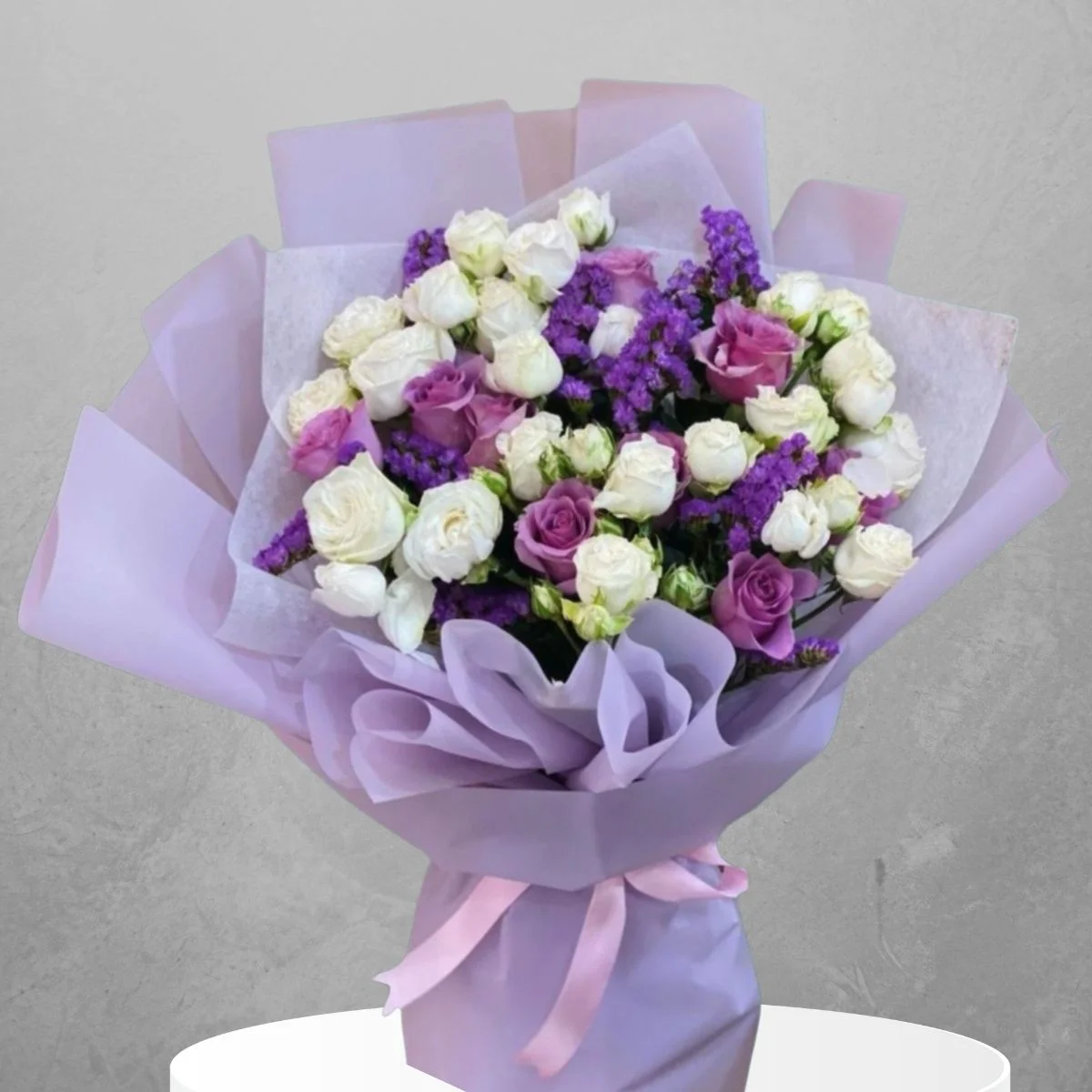
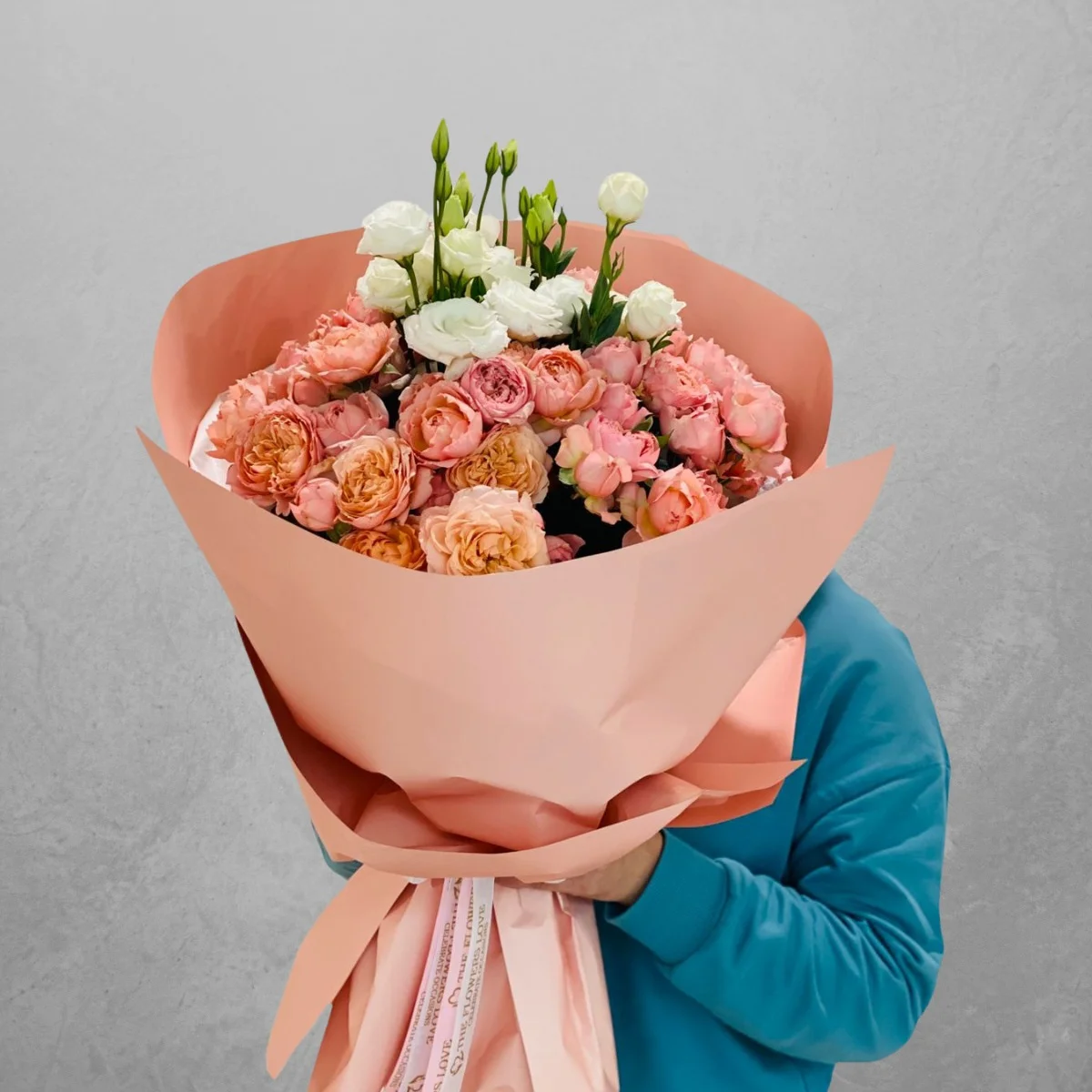
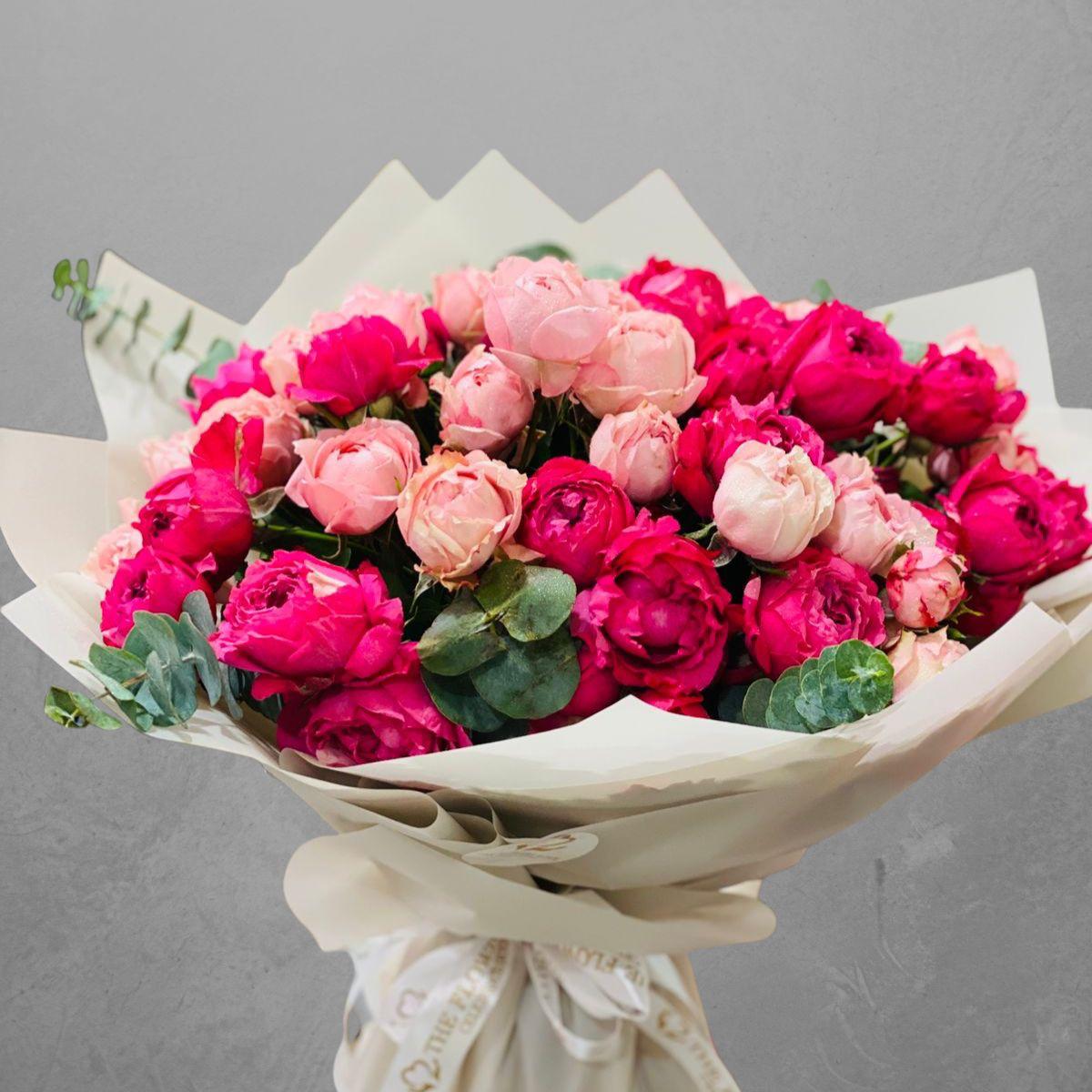
You’re looking at Ecuadorian roses with heads so big they almost feel fake, petals layered like someone took their time for once. Peonies that open slowly, like they know you’re watching. Orchids that don’t even try to be friendly—they just sit there, elegant and a little distant.
And the design.
That’s where most shops fall apart. Too many flowers. Too many colors. No restraint. It’s like watching someone wear every expensive thing they own at once.
Good florists don’t do that.
They edit.
The Part Nobody Says Out Loud
Flowers aren’t about flowers.
They’re about what you’re trying to say without actually saying it.
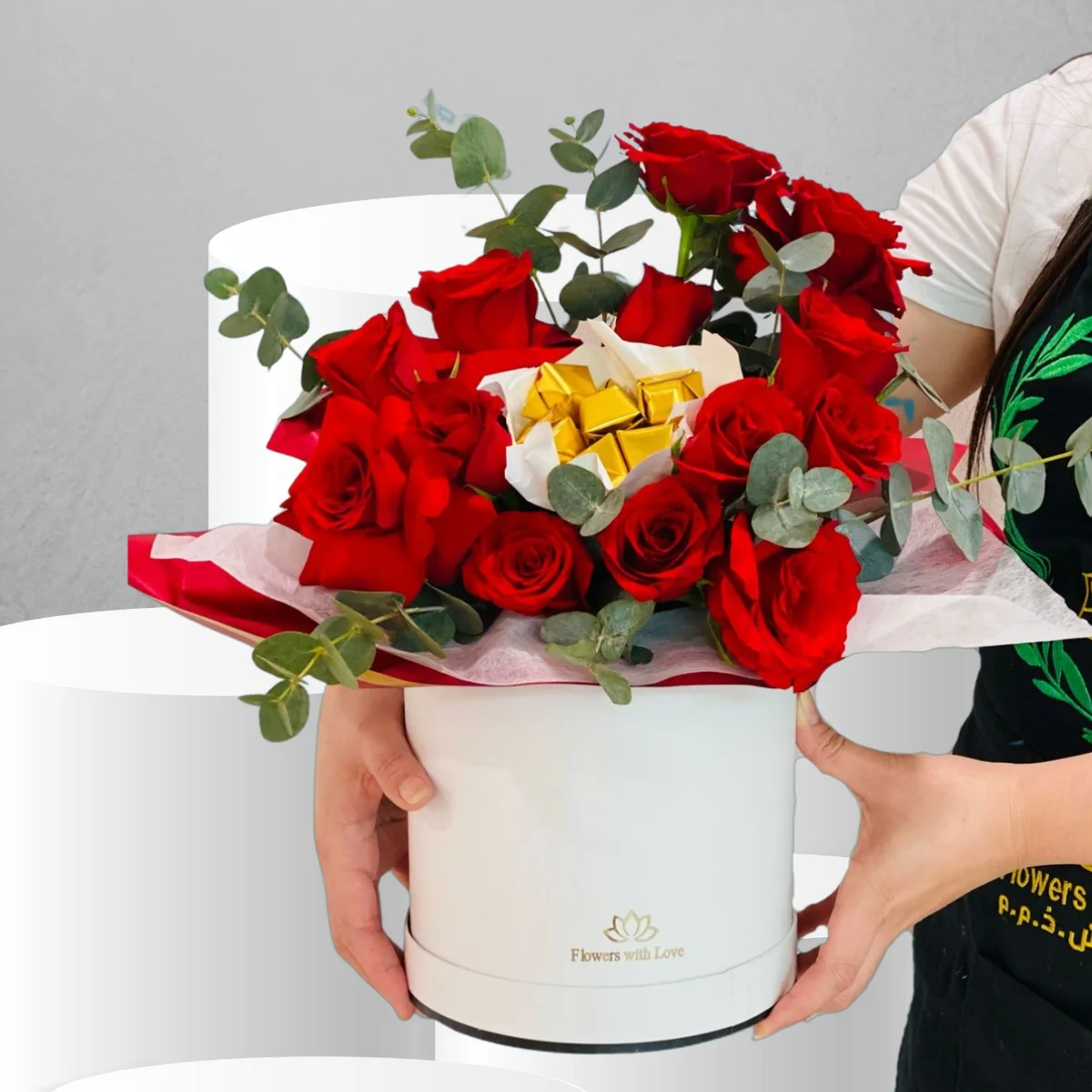
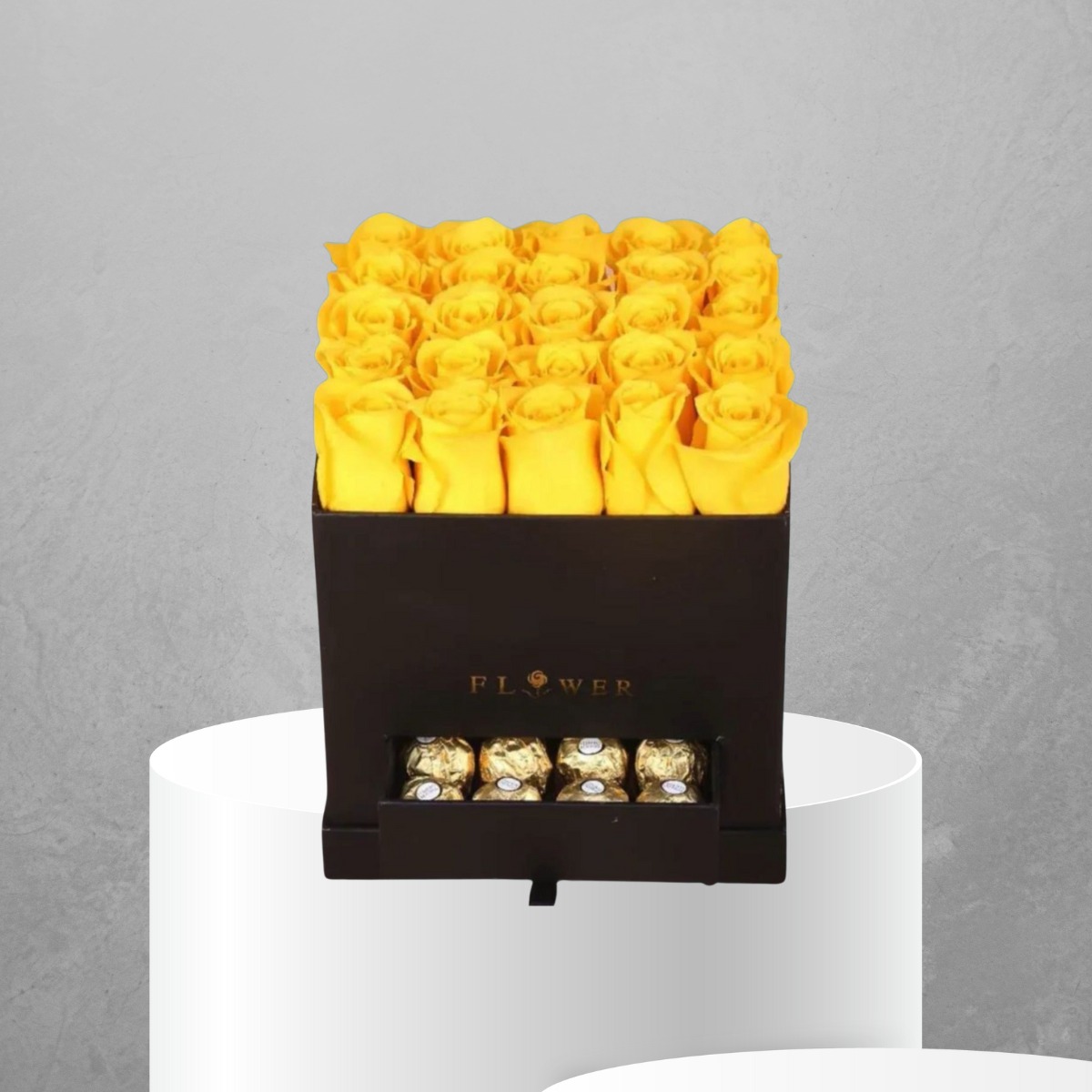
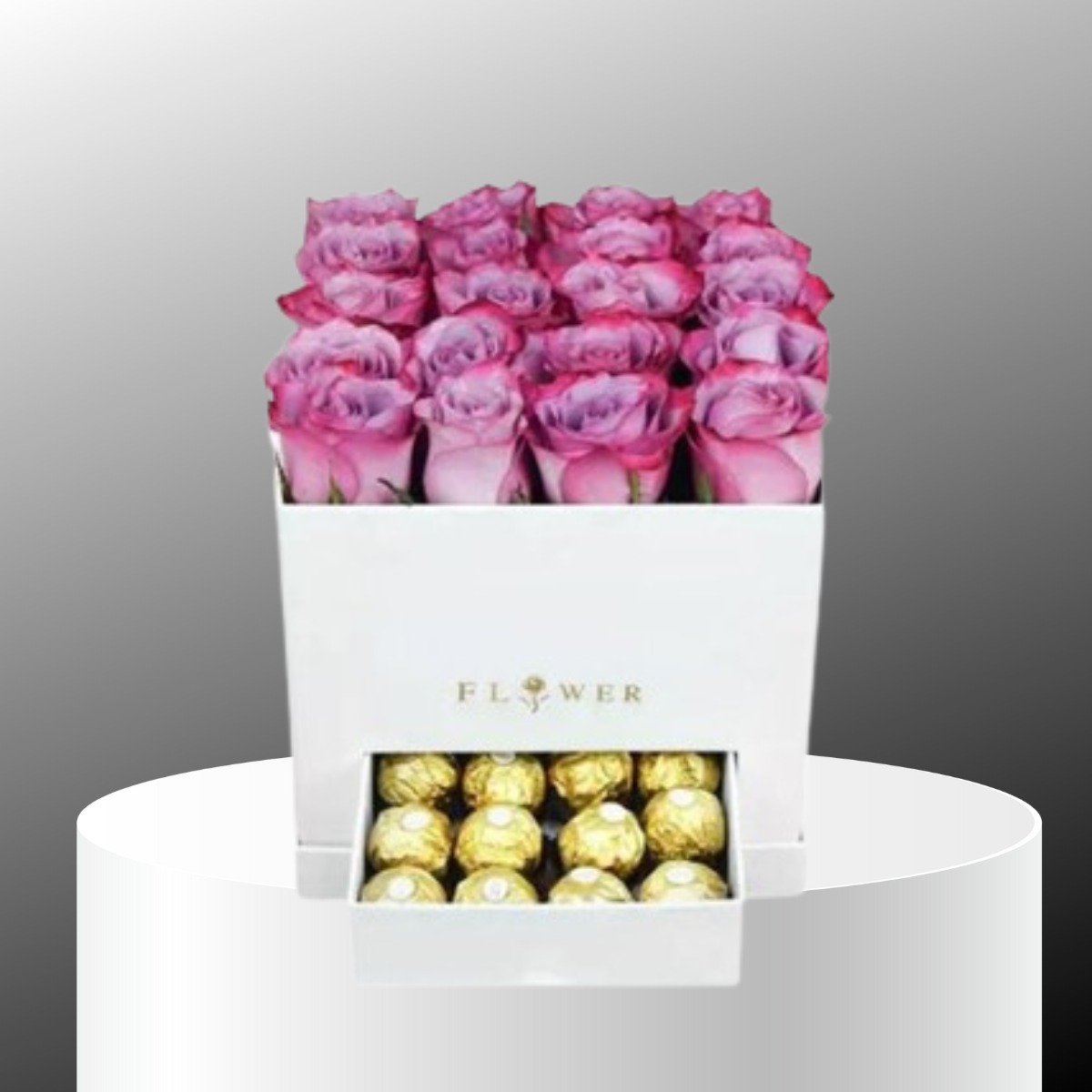
I’ve seen a guy send a basic bouquet and get a polite smile. I’ve seen another send a properly designed box of premium blooms and suddenly the room changes—phones come out, photos get taken, someone whispers, “Who sent that?”
Same gesture. Different impact.
Cheap flowers die fast. You notice it by day two—the drooping heads, that faint smell of water going stale. It’s almost awkward.
Luxury flowers stick around. They hold their shape. They keep reminding the person that someone didn’t just grab whatever was near the counter.
That matters.
The Heavy Hitters
Not every flower earns its place here. Some just don’t have the presence.
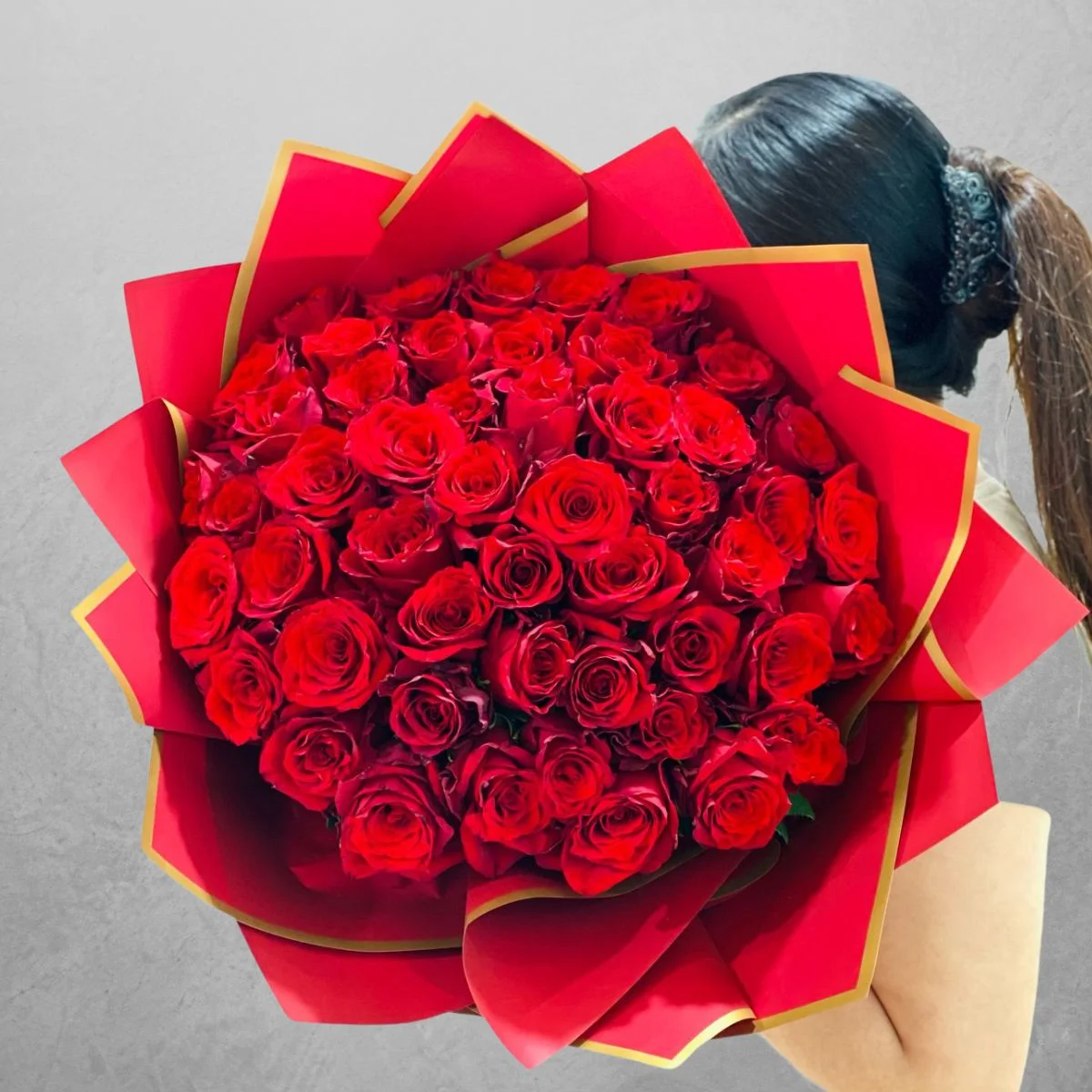
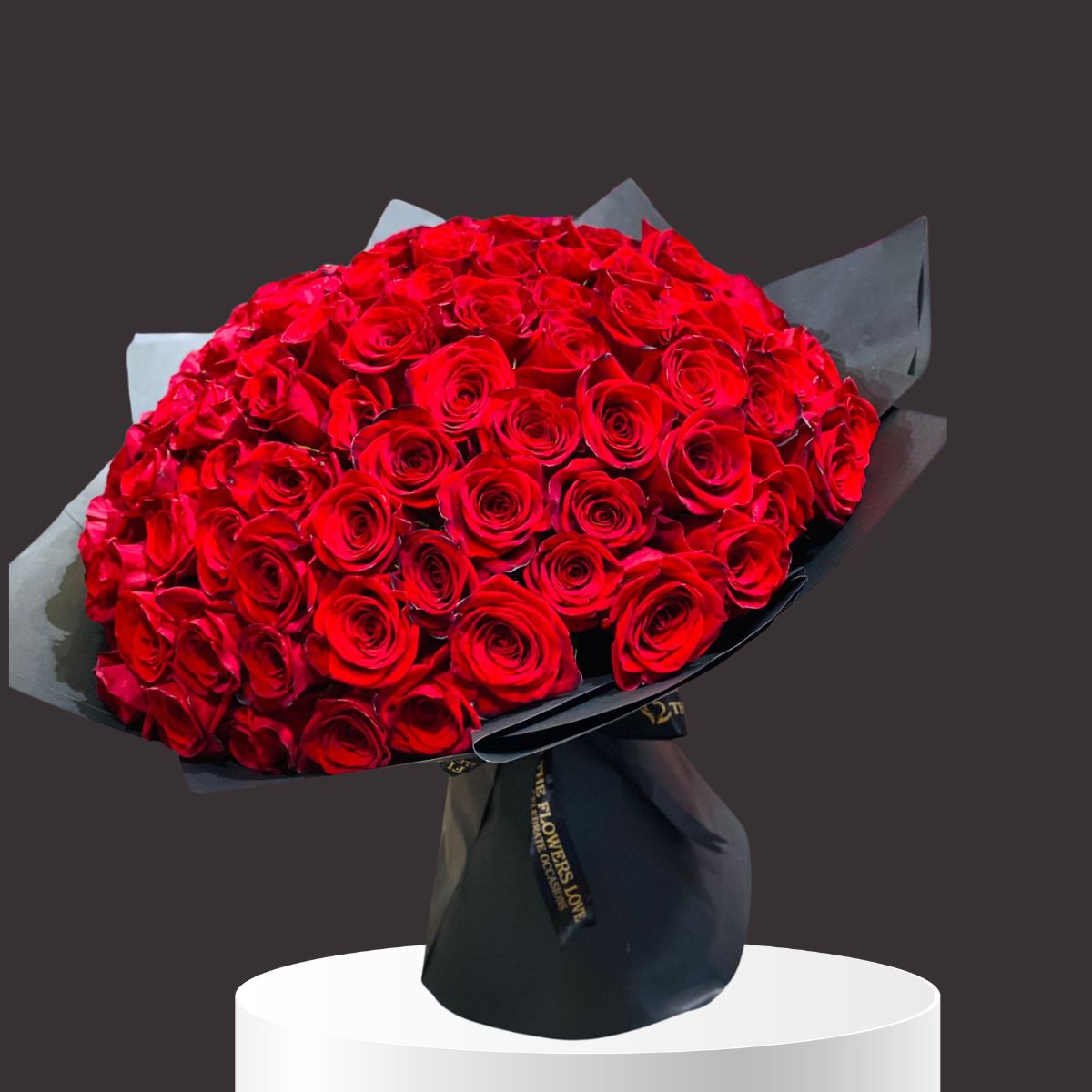
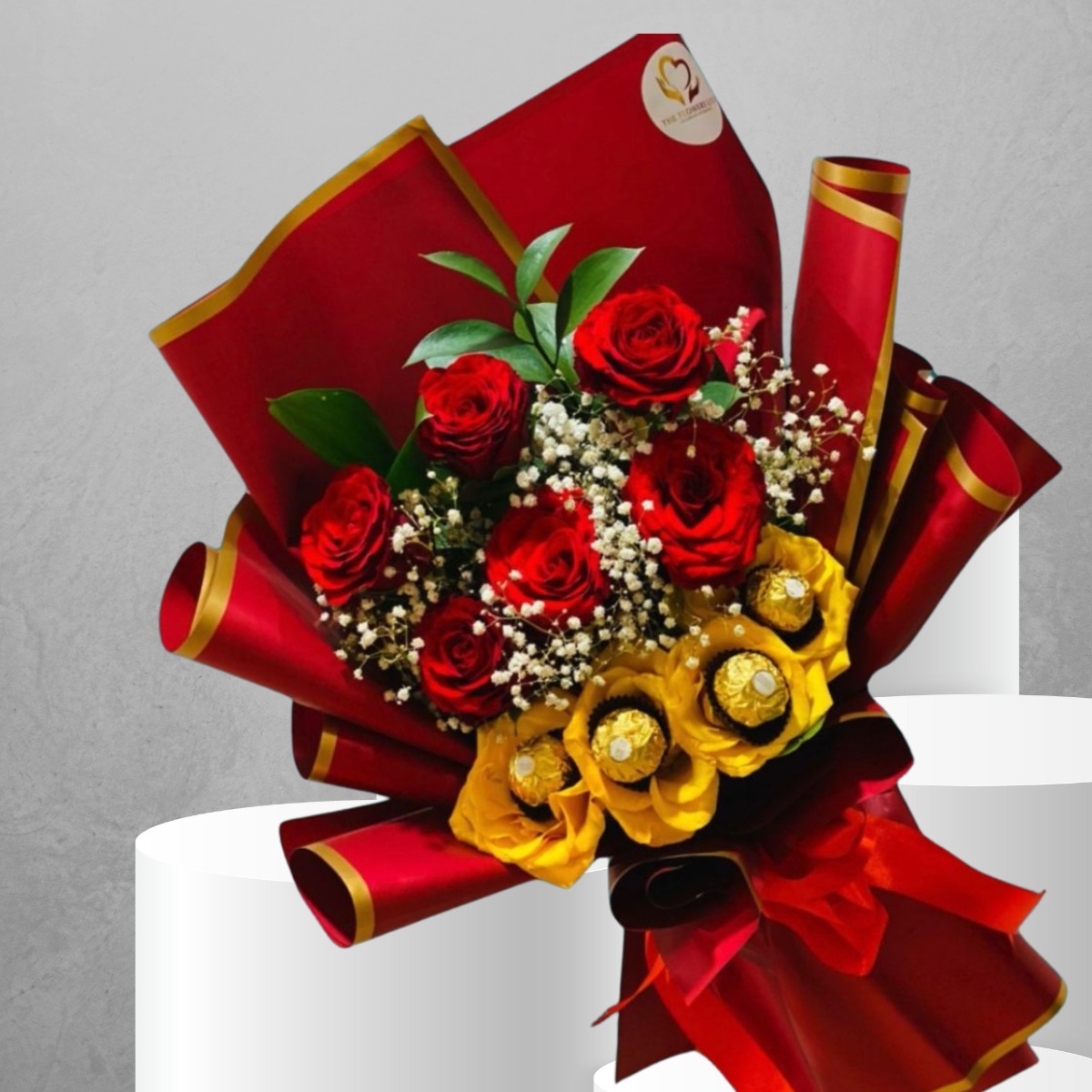
Ecuadorian roses lead the pack. No debate. Thick stems, oversized blooms, colors that don’t look washed out under bad lighting. They’re built to impress and they know it.
Peonies are softer, almost unfairly pretty. But they’re seasonal, which makes people want them more. You can’t always get them—and that scarcity does half the marketing.
Orchids feel different. Cleaner. Slightly cold, if I’m being honest. You send orchids when you want to look composed, even if your life’s a mess behind the scenes.
Hydrangeas? Big, cloud-like, filling space without trying too hard. They’re the quiet support act that makes everything else look better.
And then tulips—real tulips, not the tired supermarket ones with bent stems. Premium tulips stand upright like they’ve got something to prove.
Why People Still Pay the Price
Let’s not pretend—luxury flowers cost real money. Enough to make you pause before clicking “order.”
But people keep buying them.
Because reactions aren’t cheap.
You’re not paying for stems and petals. You’re paying for that moment when someone stops mid-sentence, walks closer, and actually studies the arrangement instead of giving it a quick glance and moving on.
And yeah, longevity plays a role. Better sourcing, better handling, better everything. They last longer. They look alive longer.
No one wants a bouquet that gives up before the weekend.
Design Is Where It Gets Serious
I’ve watched florists work, the good ones at least, and it’s not the chaotic mess people imagine. No random grabbing, no stuffing gaps just to fill space.
It’s slow. Intentional.
They’ll step back. Adjust one stem. Step back again.
Sometimes they remove more than they add.
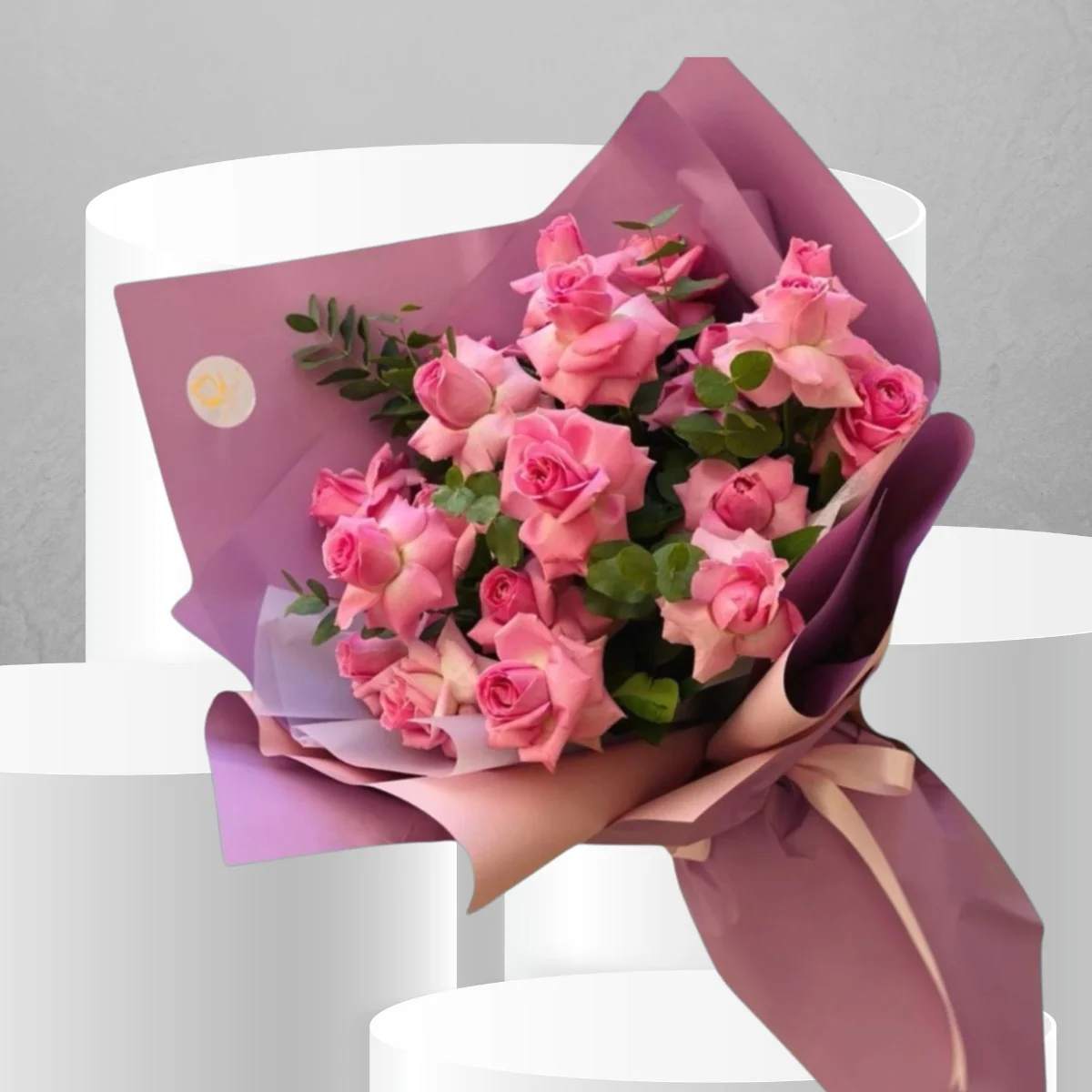
That’s the part most customers don’t notice—but they feel it when they see the final piece. It looks balanced. Calm. Like it knows exactly what it’s doing.
Less noise. More impact.
When You Actually Need Luxury Flowers
Not every moment calls for this level of effort. Let’s be honest.
But some do.
Romantic situations, for one. Anniversaries. Apologies that can’t be fixed with a text message. You show up with something average, you’re already losing ground.
Corporate gifting is another one. Send something cheap and it screams “afterthought.” Send something refined and suddenly you look like someone who pays attention.
Weddings and events? That’s where luxury flowers stop being optional and start setting the entire tone. You walk into a space and the flowers either carry it… or expose it.
No middle ground.
Where The Flowers Love Gets It Right
I’ve seen plenty of brands try to play in this space and miss the point completely. Nice flowers, poor execution. Good packaging, weak design.
The Flowers Love doesn’t make that mistake.
They pay attention to the small stuff—the spacing, the color flow, the way the arrangement looks from the side instead of just the front. It’s the kind of detail you don’t consciously list out, but you’d notice immediately if it were wrong.
And they stay consistent.
That’s harder than it sounds. Anyone can get it right once. Doing it every single time? That’s discipline.
Trends Come and Go—Some Stick
I’ve watched trends swing from over-the-top chaos to almost bare arrangements that look like someone stopped halfway.
Right now, things are leaning cleaner.
Monochrome setups are everywhere—one color, different shades, layered textures. Simple on paper. Hard to execute well.
Minimal designs are having their moment too. Fewer stems, more breathing room. You notice every detail because there’s nothing to hide behind.
Then you’ve got the oversized arrangements—the ones that walk into a room before you do. Dramatic. Unapologetic.
Both extremes. Pick your side.
Choosing Without Getting It Wrong
This is where people overthink it.
You don’t need a masterclass in floristry—you just need to match the mood.
Soft colors for romance. Clean lines for business. Bold mixes for celebrations.
Or you do what most smart people do—you let the florist decide.
A good one will read the situation better than you can explain it.
One Last Thing
Luxury flowers aren’t about showing off, no matter how it looks from the outside.
They’re about effort you can actually see.
In a world full of rushed gifts and last-minute decisions, something carefully designed stands out immediately—and sticks around longer than people expect.
And yeah, people remember that.