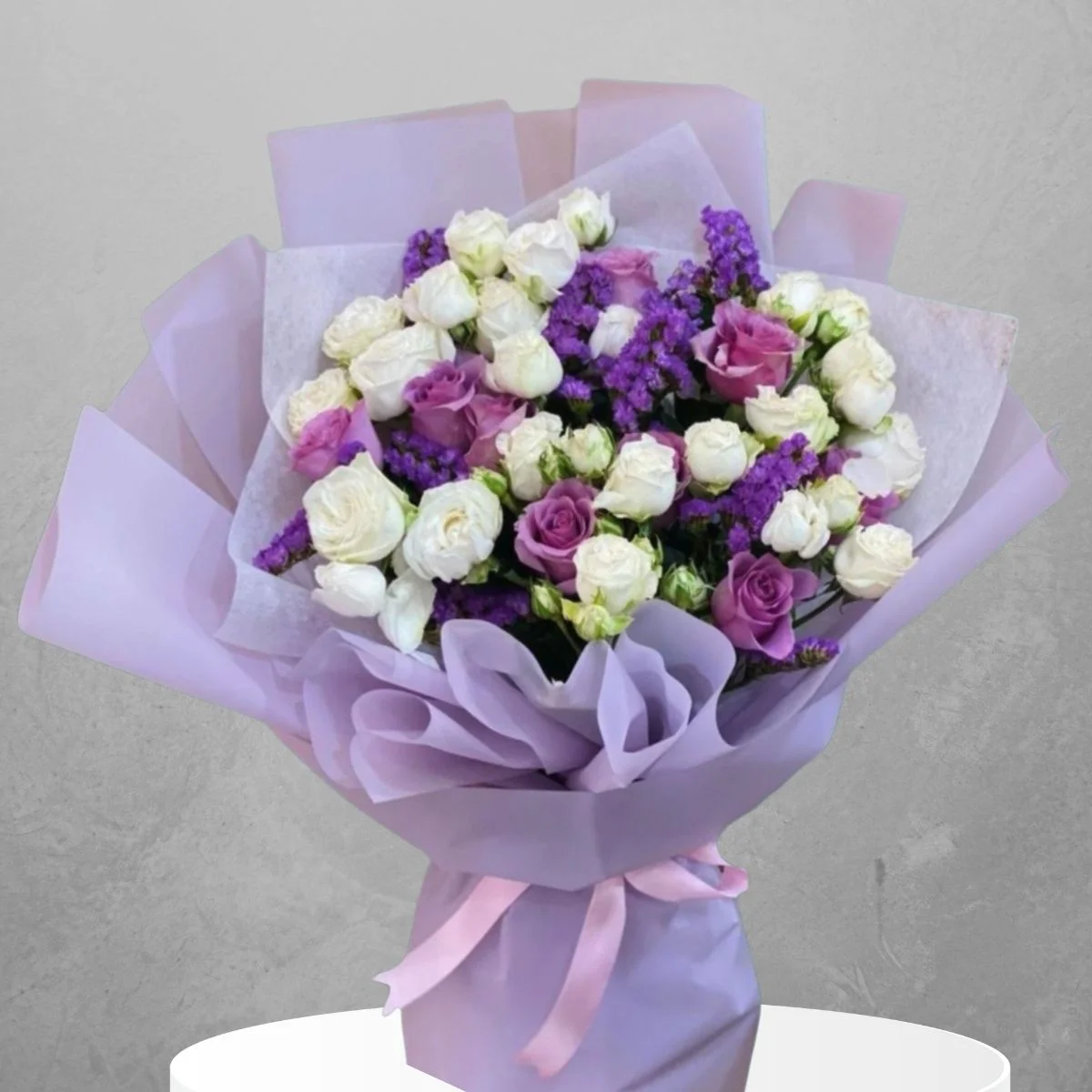
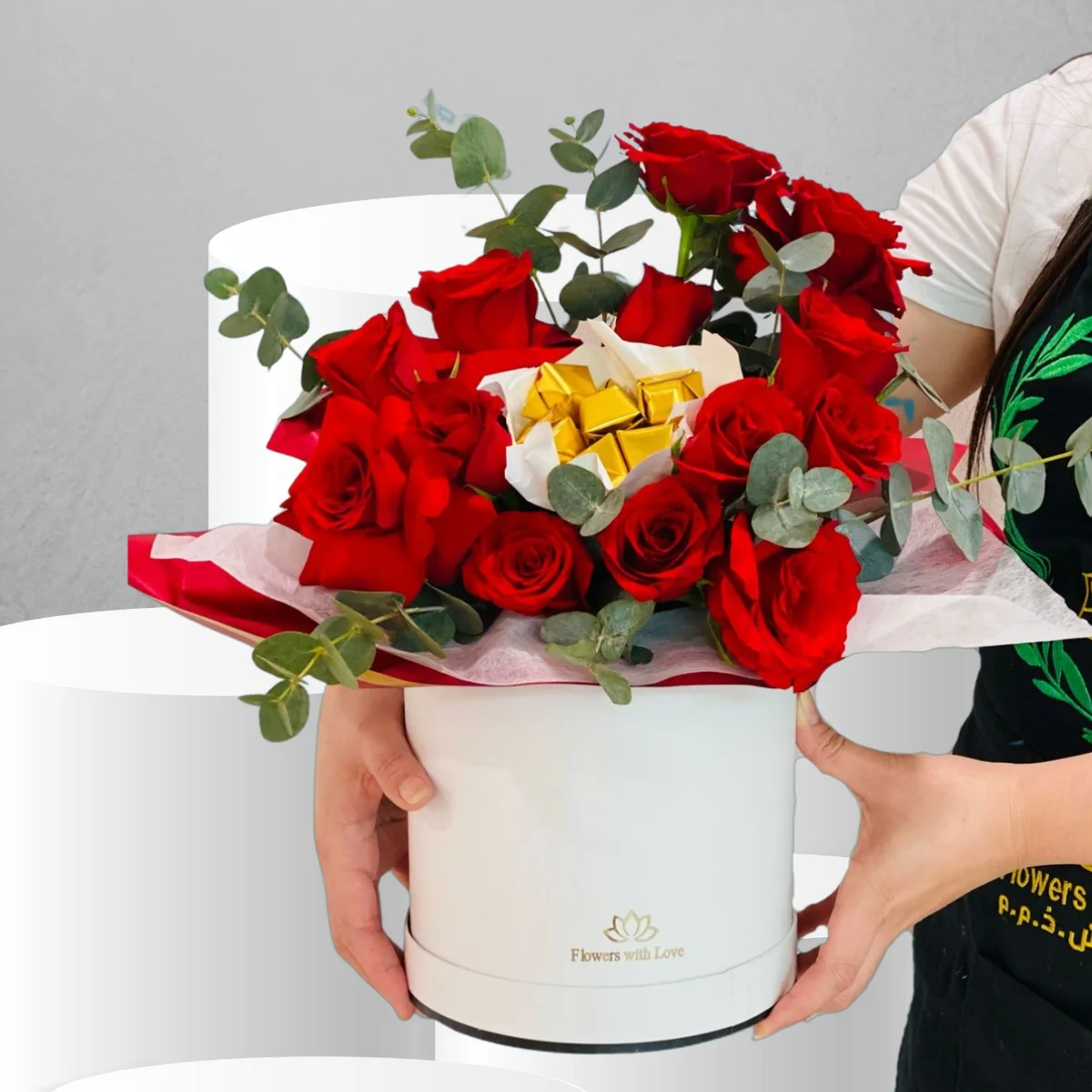
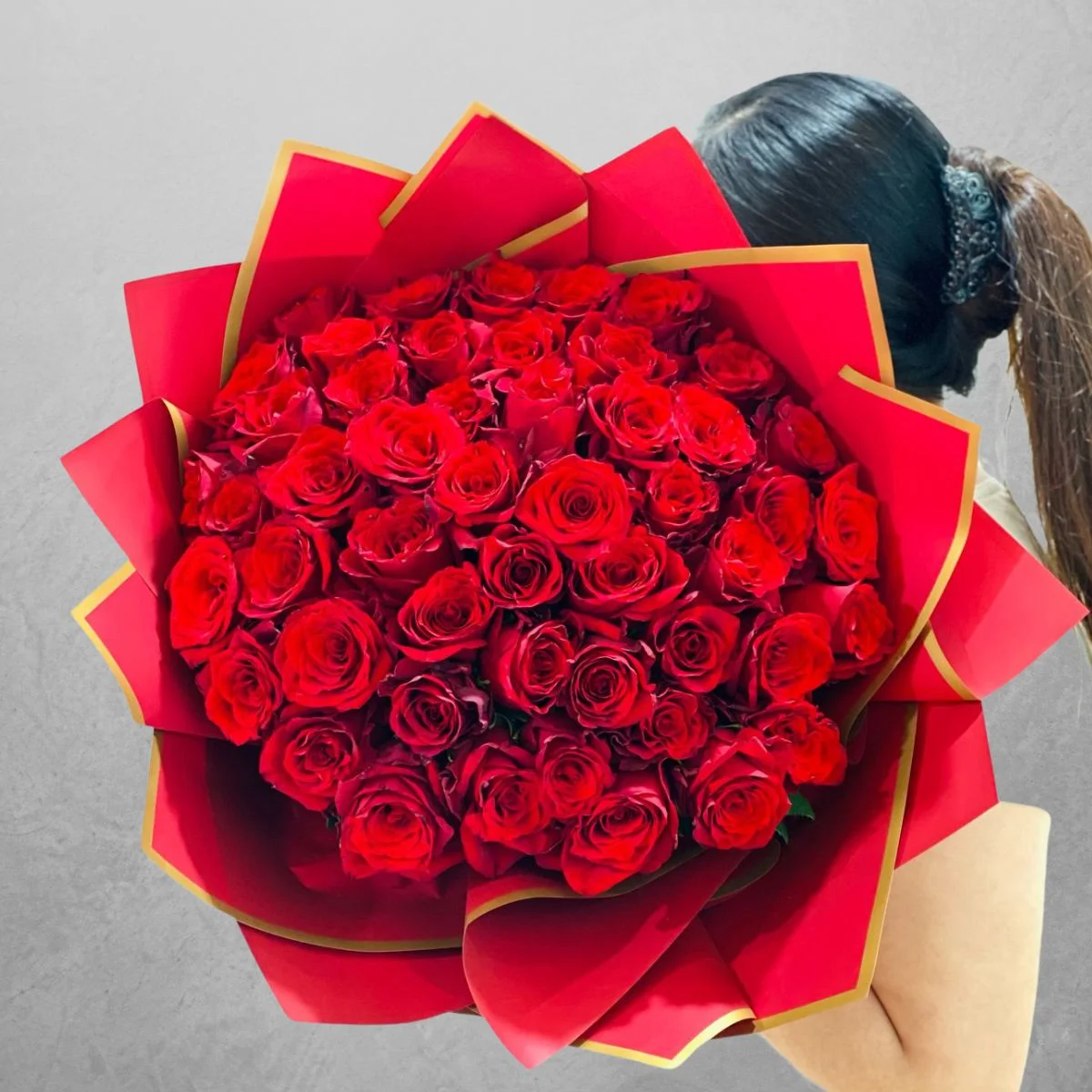
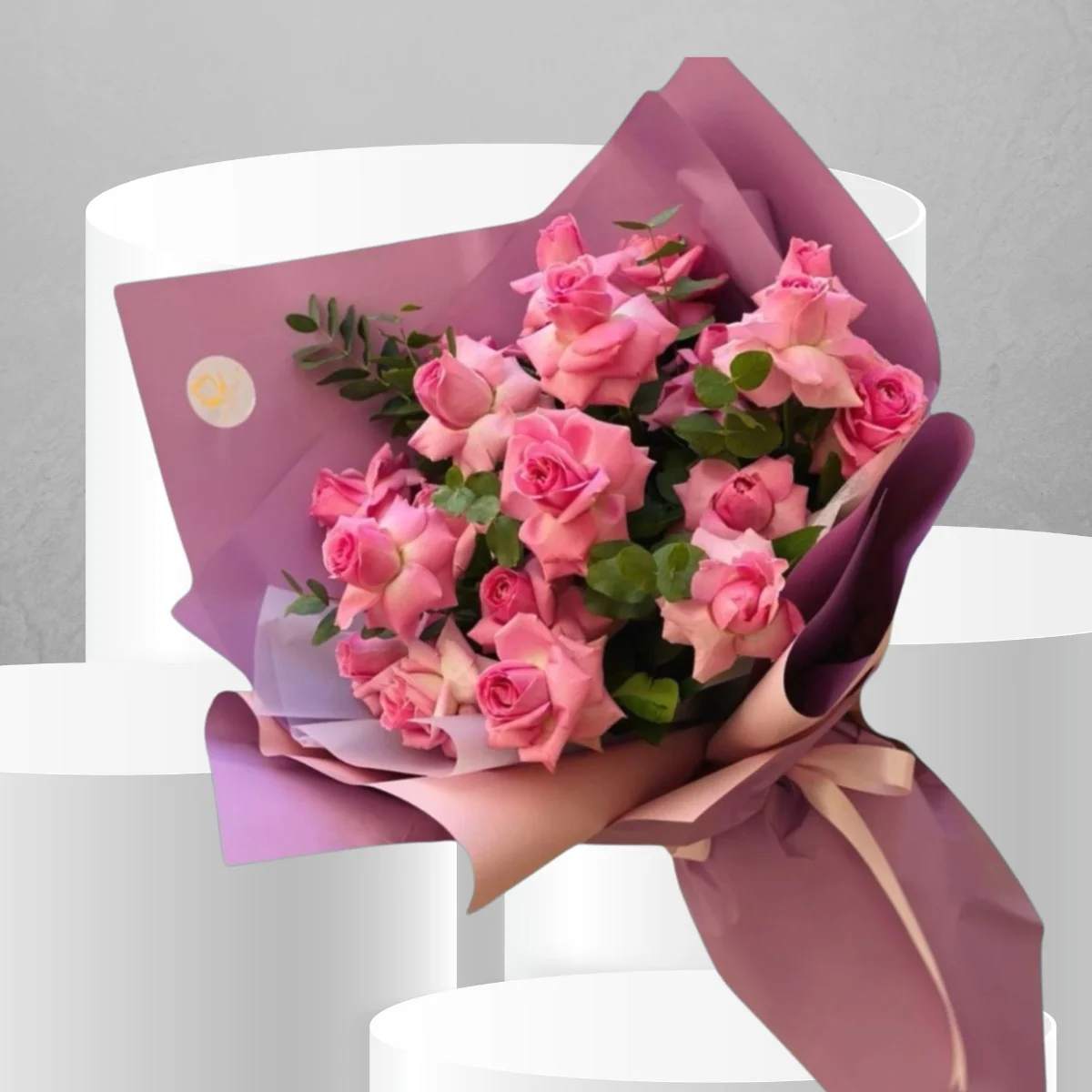
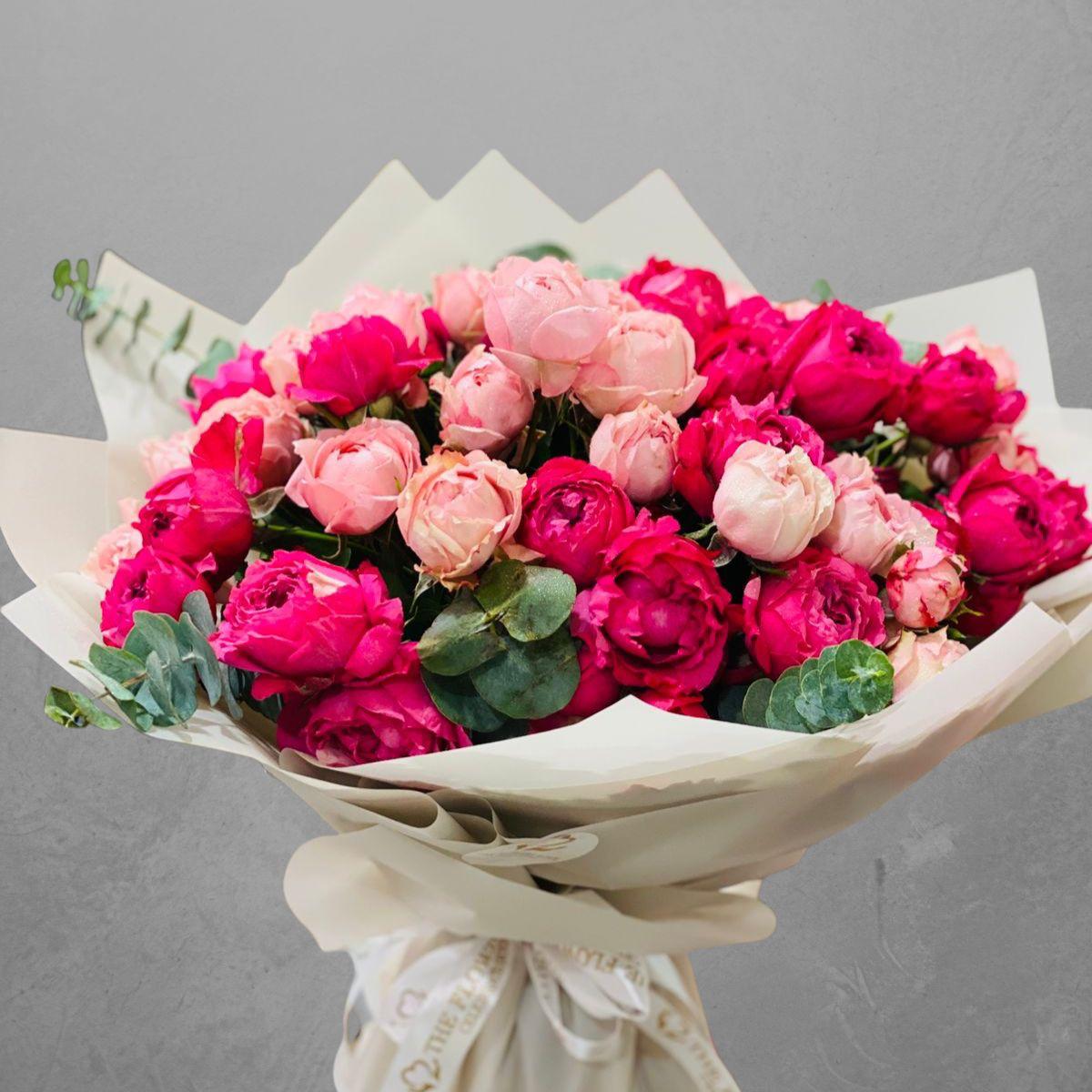
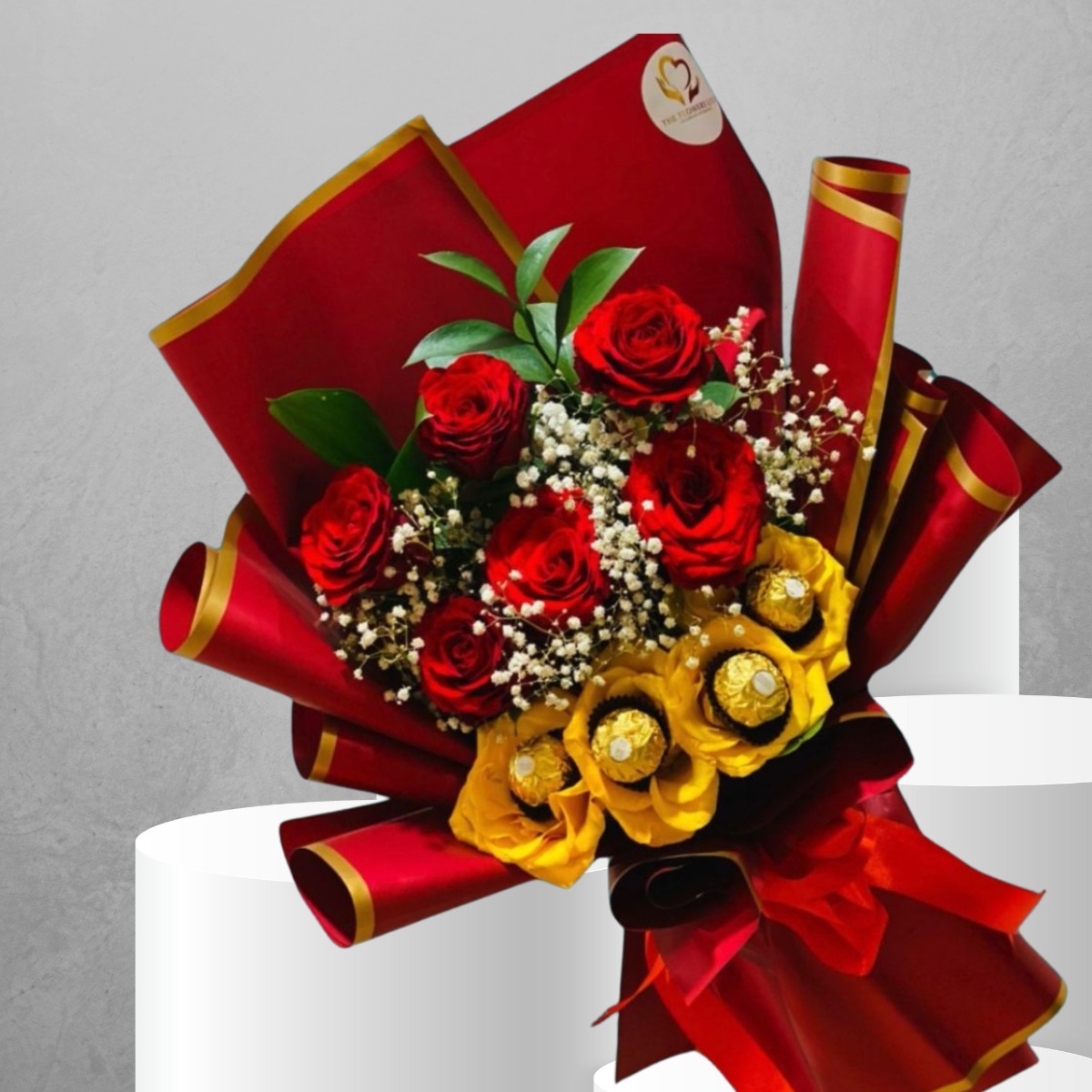
Flowers don’t die quickly because they’re “fragile.” They die because most people treat them like decoration instead of living things.
That’s the uncomfortable truth.
At The Flowers Love, we’ve seen it all—gorgeous Bouquets that looked like a dream on day one… and then turned into a sad, droopy mess by day three. The good news? Keeping flowers fresh isn’t complicated. It just requires a little attention and a few smart habits.
Let’s get into it.
Why Flower Care Actually Matters
Look, you can spend good money on premium flowers, rare imports, or a stunning arrangement—and still watch them fade too soon if you ignore basic care.
Flowers are cut from their natural source. That means they’re already under stress. Your job is simple: slow down that stress as much as possible.
Do it right, and your bouquet can last 2–3 times longer.
Do it wrong… well, you already know how that ends.
Start Strong: The First Hour Matters
Most people mess up right here.
You bring flowers home. You admire them. Maybe take a few photos. Then you leave them sitting around.
Bad move.
The first hour after receiving flowers is critical because they’re dehydrated. They’ve been out of water during transport, and they’re thirsty.
Here’s what you should do immediately:
- Fill a clean vase with fresh, room-temperature water
- Remove any leaves that will sit below the waterline
- Trim 1–2 inches off each stem at an angle
- Place them in water right away
That angled cut isn’t just a florist trick—it increases the surface area so the stem can absorb more water.
Simple. Effective.
Water: The Real Lifeline
Flowers don’t need love. They need water.
And clean water at that.
Here’s where people slip up:
- They don’t change the water often enough
- They use dirty vases
- They forget bacteria exists
Bacteria is the silent killer of fresh flowers. It clogs the stems and blocks water absorption.
So here’s the routine:
- Change water every 1–2 days
- Rinse the vase each time
- Re-trim stems slightly every few days
It takes maybe two minutes. That’s it.
But it makes a massive difference.
The Hidden Enemy: Heat and Sunlight
You’d think flowers love sunlight, right?
Not once they’re cut.
Cut flowers aren’t growing anymore—they’re surviving. Direct sunlight speeds up dehydration and causes petals to wilt faster.
Same goes for heat.
Avoid placing your flowers:
- Near windows with strong sun exposure
- Close to heaters or stoves
- Under ceiling fans blasting dry air
Cool, shaded spots are your best friend.
Think of it like this: your flowers prefer a calm, indoor environment—not a summer picnic.
The Flower Food Debate
Those little packets that come with bouquets? Don’t throw them away.
They’re actually doing three important things:
- Feeding the flowers (sugar)
- Killing bacteria (biocide)
- Balancing water pH (acidifier)
Together, they create the perfect mini-environment for your bouquet.
No packet? No problem.
You can make a basic mix at home:
- 1 teaspoon sugar
- 1 teaspoon lemon juice
- A few drops of bleach
Yes, bleach. Just a tiny amount keeps bacteria in check.
Sounds odd, works brilliantly.
Trimming Stems: Not a One-Time Thing
Most people trim stems once and forget about it.
That’s like brushing your teeth once and calling it a lifetime achievement.
Stems seal themselves over time, reducing water intake. Regular trimming keeps them “open” and absorbing properly.
Do this every 2–3 days:
- Cut about half an inch off
- Always cut at an angle
- Use sharp scissors or a knife
Dull cuts crush the stem. Clean cuts help it drink.
Know Your Flowers (Because They’re Not All the Same)
Here’s the kicker: not all flowers behave the same way.
Some are low-maintenance. Others are drama queens.
A few examples:
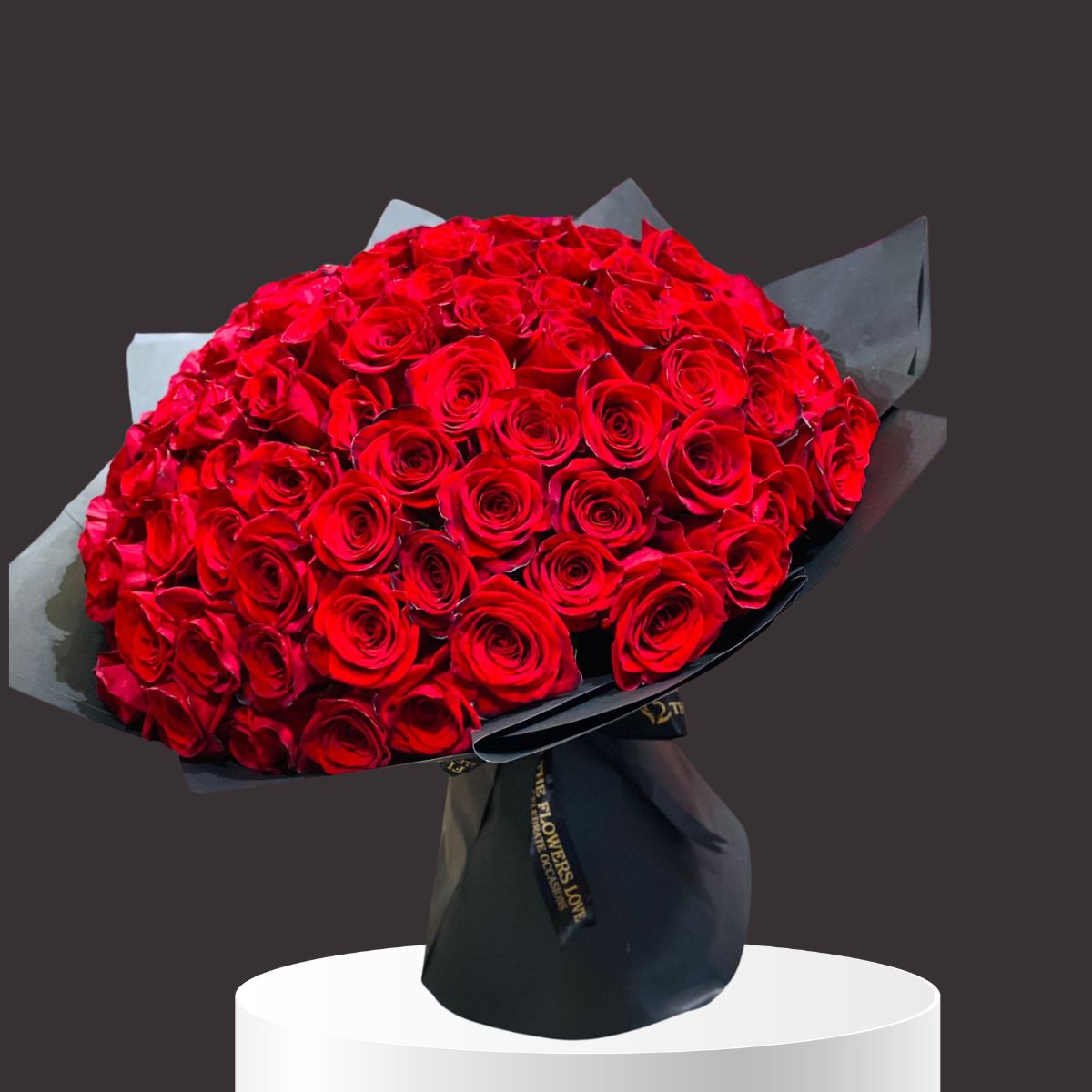
Roses
Roses are classic, but they’re sensitive. Remove guard petals (the outer layer) if they look dull, and keep stems trimmed often.
Lilies
Beautiful, but messy. Remove pollen to prevent stains and extend life.
Tulips
They keep growing even after being cut. Expect them to lean and shift—it’s normal.
Carnations
Tough and long-lasting. Honestly, they’re the low-effort champions of Flower Care.
Understanding your specific flowers gives you an edge. You’re not guessing anymore—you’re managing.
Common Mistakes That Kill Flowers Fast
Let’s call these out directly.
Because chances are, you’ve done at least one of them.
- Using hot water (it damages stems)
- Leaving leaves submerged in water (hello, bacteria)
- Ignoring water changes
- Placing flowers near fruit (yes, fruit releases ethylene gas that speeds up aging)
- Skipping stem trimming
None of these are complicated fixes. They just require awareness.
Reviving Droopy Flowers (Before You Give Up)
So your flowers are already looking tired.
Don’t panic yet.
Try this:
- Re-cut stems under running water
- Place them in fresh, clean water
- Keep them in a cool, dark room for a few hours
For roses specifically, you can even submerge the entire stem (and sometimes the flower head) in water for 30–60 minutes.
It’s like a reset button.
Will it always work? No.
But more often than not, you’ll see a noticeable bounce-back.
The Vase Matters More Than You Think
That fancy vase you love? It might be hurting your flowers.
Narrow openings can crowd stems, limiting airflow and water distribution.
Wide openings? They let flowers spread naturally and drink better.
Also—cleanliness matters more than style.
A spotless basic vase will always outperform a dirty designer one.
When It’s Time to Let Go
Here’s the honest part nobody talks about.
Flowers don’t last forever.
Even with perfect care, most bouquets last:
- 5–7 days (standard flowers)
- 7–10 days (hardier varieties like carnations)
And that’s okay.
The goal isn’t to make them last forever—it’s to get the most life and beauty out of them while they’re here.
Think of it like a good cup of coffee. You enjoy it while it’s fresh.
Flower Care Tips from The Flowers Love Team
We’ve handled thousands of arrangements, and a few habits always stand out:
- Keep a small pair of scissors dedicated for stems
- Set a reminder to change water (yes, seriously)
- Don’t overcrowd your vase
- Check flowers daily—it takes seconds
Little actions. Big payoff.
FAQs About Flower Care
How often should I change the water in my vase?
Every 1–2 days is ideal. If the water looks cloudy, change it immediately. Clean water keeps bacteria from building up and helps flowers stay fresh longer.
Do flowers really need flower food?
Yes, they do. Flower food isn’t just “extra”—it helps feed the flowers and keeps the water clean. If you don’t have a packet, a simple homemade mix can work just fine.
Why are my flowers wilting so quickly?
Usually, it comes down to dehydration, bacteria, or heat exposure. Check your water, trim the stems, and move the flowers to a cooler spot.
Can I put flowers in the fridge overnight?
You can, and florists actually do this. A cool environment slows down aging. Just make sure there’s no fruit nearby—ethylene gas will speed up wilting.
Is tap water okay for flowers?
In most cases, yes. Room-temperature tap water works well. If your water is heavily treated, filtered water can be even better.
Should I remove all leaves from the stems?
Only remove the leaves that sit below the waterline. Leaves in water promote bacterial growth, which shortens the life of your flowers.
Why do my roses droop at the head?
This is called “bent neck,” and it’s usually due to air bubbles blocking water flow. Re-cut the stem under water and place it back in fresh water.
Can I revive completely dead flowers?
Not really. Once petals are dry and brittle, there’s no bringing them back. But slightly wilted flowers? Those still have a chance.
Final Thoughts
Flower care isn’t complicated—it’s just often ignored.
A little effort goes a long way.
And honestly, there’s something satisfying about keeping a bouquet alive longer than expected. It feels like you beat the system just a bit.
Take care of your flowers, and they’ll return the favor.
Simple as that.